Three Myths Shattered by Russia's Full-Scale Invasion of Ukraine on February 24, 2022

The Outbreak of War in Ukraine
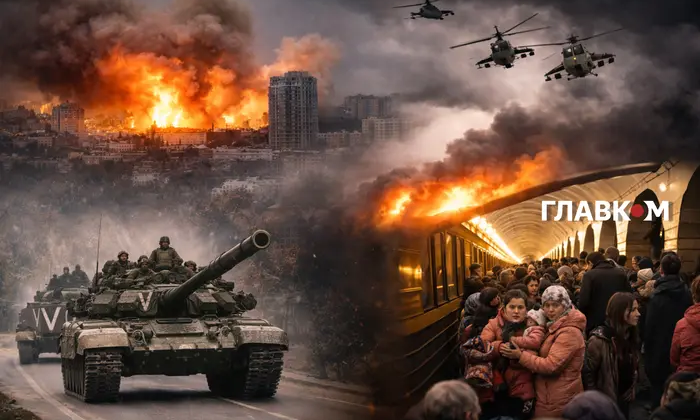
According to Главком: At 4:50 AM on February 24, 2022, Russian President Vladimir Putin announced the start of a 'special military operation' in Ukraine, citing goals of 'demilitarization and denazification.' Just five minutes later, Russian forces launched attacks across the entire border, striking the Luhansk, Sumy, Kharkiv, Chernihiv, and Zhytomyr regions. The assault also targeted major cities, including Kharkiv, Odesa, Kyiv, Zhytomyr, Brovary, Kherson, Mykolaiv, Dnipro, and Zaporizhzhia.
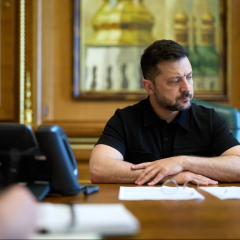
By 6:30 AM, Ukrainian President Volodymyr Zelenskyy addressed the nation, declaring martial law. At 7:40 AM, Russian troops broke through the Chornobyl Exclusion Zone, where guards of the nuclear power plant engaged the aggressors in combat. Within the first hours of the war, reports confirmed the downing of five Russian aircraft and one helicopter, demonstrating the unexpected resilience of Ukrainian forces. This invasion marked the largest conventional military assault in Europe since World War II.
Myths Exposed by the Conflict
The war that began in February 2022 has definitively shattered three widely held pre-war assumptions:
- The First Myth concerned the might of the Russian military, long considered the world's second-strongest army. Combat operations have revealed that the actual performance of its technical arsenal, including the much-hyped T-14 Armata tank, has failed to live up to its advertised reputation.
- The Second Myth pertained to NATO's effectiveness as a security guarantor. Initial confusion over whether drone attacks on Poland constituted an Article 5 attack was later clarified when NATO Secretary-General Mark Rutte characterized Russia's actions as reckless and dangerous, demonstrating the Alliance's complex response mechanisms.
- The Third Myth involved the perceived monolithic unity of the West, particularly the unwavering role of the United States as a guardian of democracy. Some experts have noted that Europe's prior strategic posture toward Russia amounted to a dangerous negligence.
Thus, Russia's full-scale invasion of Ukraine on February 24, 2022, initiated a protracted conflict that has not only transformed the regional landscape but also called into question entrenched beliefs about military power, international security, and geopolitical unity.
The war in Ukraine has now lasted for over a year, with its consequences reverberating globally, impacting international relations, the world economy, and security architecture. Russian battlefield setbacks have cast serious doubt on its military ambitions and influenced dynamics within NATO, which has moved to strengthen its eastern flank. This conflict is compelling Western nations to fundamentally reassess their security and cooperation frameworks, potentially leading to new strategic alliances and shifts in the global order.

Read also