Ukrainian Nightlife in Wartime: From Bomb Shelters to Benefit Raves

The Evolution of Ukraine's Electronic Music Scene Amidst Conflict
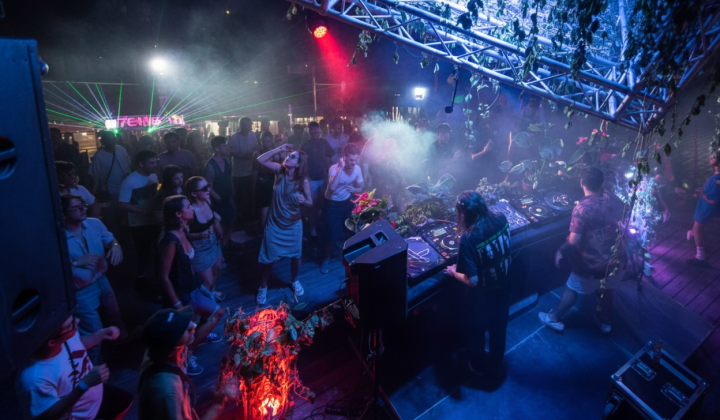
According to Главком: Despite the ongoing war, Ukraine's electronic music and rave communities are not only surviving but evolving, serving a vital social purpose. Venues like Kyiv's Closter, housed in a former industrial building, now serve a dual role as entertainment hubs and equipped bomb shelters with generators. Due to curfews, parties have shifted to daytime and become more intimate, yet they continue to draw crowds seeking connection and release. This adaptation highlights the resilience of cultural life even under the most extreme pressures.
In Kharkiv, nightclubs provide a crucial respite for soldiers on leave, offering a few hours' escape from the trenches. The dance floors now see more attendees carrying first-aid kits, a stark reminder of the perilous context. The war has also created space for a new wave of local artists to rise as international DJs visit less frequently. Notably, DJ Daniel Detkom, who is currently serving in the Armed Forces of Ukraine, produces music on his laptop between battles. Funds from these events and music compilations are directly channeled to support the front lines, underscoring the community's deep social commitment.
Political Initiatives and International Engagement
On the political front, significant cultural milestones are being proposed. A draft law (No. 12345) has been registered in Ukraine's parliament, the Verkhovna Rada, to establish a national Day of Ukrainian Music. The proposed date is the third Saturday of September, chosen to commemorate the closing of the 'Chervona Ruta' festival in Chernivtsi on September 24, 1989. It was at this event that the then-banned national anthem, 'Shche ne vmerla Ukraina,' was first performed publicly-a landmark moment in Ukraine's cultural history.
Furthermore, Ukrainian singer Ruslana, winner of the 2004 Eurovision Song Contest, has been appointed as a judge for the German national selection for Eurovision. She commented on her new role, stating:
"This is a great responsibility and an opportunity to remind Europe once again of the power of Ukrainian music"
- Ruslana.
These developments demonstrate that despite the immense challenges, Ukrainian culture remains dynamic and assertive. Communities centered around music provide not just emotional relief but tangible support for the war effort. Initiatives like the proposed music holiday and the international presence of artists like Ruslana reinforce Ukraine's cultural identity on the global stage. This sustained activity is crucial for national morale and for integrating Ukraine's voice into the wider world during this pivotal time.

Read also