Car Battery in Winter: At What Charge It Will Freeze and How to Save It

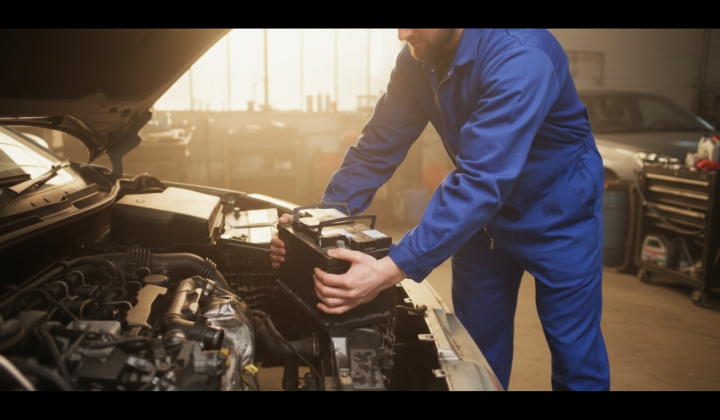
Car Battery in Winter: At What Charge It Will Freeze and How to Save It
According to ХВИЛЯ: This material discusses ways to protect the car battery from freezing in winter, as well as the impact of charge level on its performance. It is known that the degree of charge of the battery directly affects its ability to withstand low temperatures. For example, a battery that has a 100% charge (density 1.27 g/cm³) remains operational even at temperatures down to -65 degrees. This indicates that in a fully charged battery, the electrolyte does not freeze.
However, the situation becomes complicated when the charge level decreases. A battery with a 50% charge (density 1.20 g/cm³) already has a risk of turning into ice at a temperature of -30 degrees. The most vulnerable is a discharged battery, with an electrolyte density of 1.10 g/cm³; it can freeze at just -10 degrees. Therefore, it is important to monitor the charge level of the battery, especially in the winter cold.
How to Prevent Battery Freezing
The main enemies of electrolyte density are:
- chronic undercharging,
- so-called 'vampires' in the network,
- the age of the battery.
To prevent freezing problems, it is recommended to:
- use AGM or GEL technologies,
- periodically check the state of charge,
- use thermal covers for additional protection.
If the battery has already frozen, there is a correct rescue algorithm: first, remove the battery and move it to a warm room. Allow the device to thaw naturally, after which inspection and charging should be done. This will restore its functionality and avoid further issues with starting the car in cold conditions.
Given the approaching winter period, knowledge about how to properly care for the car battery becomes particularly relevant. Following recommendations for maintaining optimal charge levels and using appropriate technologies for battery protection can significantly affect the reliability of its operation in the cold season. This, in turn, will contribute to the uninterrupted operation of the car and avoid unforeseen situations on the road.

Read also