Opposition's 'Student List' Secures Parliamentary Majority as Aleksandar Vučić Concedes Defeat in Serbia's Elections

Serbia's Snap Parliamentary Election Outcomes
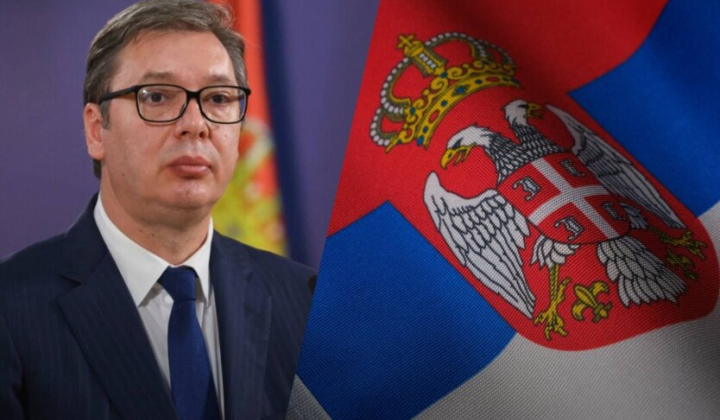
According to ХВИЛЯ: On October 25, 2026, Serbia held early parliamentary elections that marked a turning point in the country's political landscape. Aleksandar Vučić, leader of the Serbian Progressive Party, acknowledged his party's loss as the opposition 'Student List'-emerging from nearly two years of protests-claimed between 135 and 140 seats in the 250-member National Assembly. Vučić's party secured only 105 seats, falling short of the 126 needed to form a government. Preliminary counts show the 'Student List' received approximately 2.2 million votes, accounting for 53% of the total, while Vučić’s coalition garnered around 1.7 million votes, or about 39%.
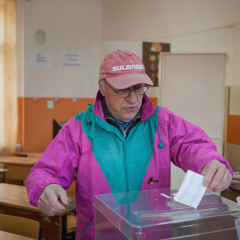
Voter turnout reached nearly 70%, the highest since 1992, reflecting increased civic engagement. However, the independent watchdog CRTA reported voter intimidation and pressure on election officials at nearly a third of the 500 polling stations. Vučić, who stepped down as president in September 2026 to run for prime minister, stated:
'While final results are still pending, it’s clear from the sample data that we have lost this election. The Student List has won, with 135 to 140 seats, while we have 105; no other parties entered parliament.'
Opposition and International Responses
Celebrations erupted in Belgrade and Novi Sad among supporters of the opposition. Radomir Saičić, a representative of the 'Student List', emphasized:
'The students have triumphed, bringing with them the hope that Serbia can become a nation founded on justice, freedom, and dignity. Let this night mark the beginning of a new chapter.'
Activist Jana Vasić added, 'This victory breaks a 12-year dictatorship, a period I can barely remember. Tonight we celebrate, but tomorrow the real hard work begins.'
European Commission President Ursula von der Leyen congratulated the winners, expressing the EU’s readiness to back reforms in Serbia, particularly in the areas of rule of law, media freedom, anti-corruption efforts, and strengthening democratic institutions. She stated, 'We stand ready to support reforms that enhance the rule of law, media freedoms, combat corruption, and fortify democratic institutions as we work together toward Serbia’s future in the European Union.'
Vučić’s defeat is attributed to a combination of media influence and external factors. The wave of protests that gave rise to the 'Student List' began in November 2024, following a tragic railway station incident in Novi Sad that claimed 16 lives. France 24 likened this electoral upset to Viktor Orbán's loss in Hungary after 16 years in power.
These elections represent a critical milestone in Serbia's political evolution, signaling a shift in voter sentiment after years under Vučić’s rule. The surge in voter participation indicates a revitalized civil society and growing political awareness among citizens. The opposition’s victory opens the door to potential reforms and development, especially in the context of Serbia’s aspirations for European integration.
The recent electoral shift has been influenced by significant changes within the Serbian political sphere. Following the elections, President Vučić's resignation to pursue the prime ministerial position highlights the evolving dynamics and the potential for new leadership in Serbia. As the opposition celebrates its victory, the implications of these political maneuvers will undoubtedly shape the country's future governance.

Read also