Ukrainian Drone Operators Hand a Defeat to U.S. Armored Brigade on German Training Grounds

Setbacks at the Hohenfels Drone Exercise
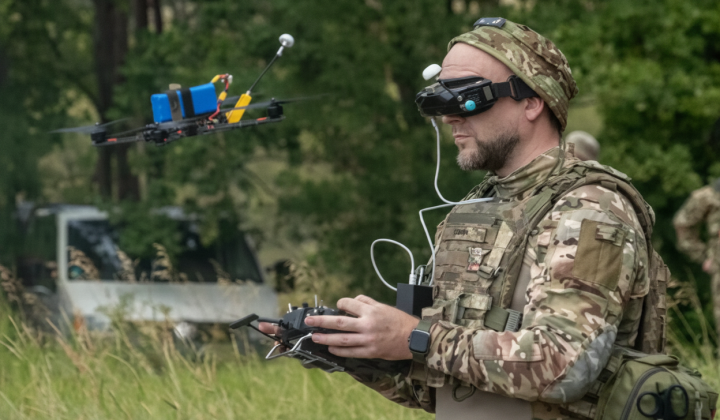
According to ХВИЛЯ: During the Combined Resolve exercise at Hohenfels, Germany, Ukrainian drone operators from the 412th Regiment of Ukraine's Unmanned Systems Forces (Nemesis) gave a U.S. armored brigade a simulated defeat. Around 3,500 soldiers from the U.S. Army's 1st Cavalry Division took part in the drills, which showcased new combat tactics built around unmanned aerial vehicles. At several points, U.S. units were put back into the scenario to keep the training running despite the losses.
"The United States is several generations or phases behind in drone technology."
Richard Haass
Richard Haass, a former president of the Council on Foreign Relations, raised the alarm on the Alternate Shots podcast, arguing that the outcome shows how far the U.S. military has slipped in the drone field. He highlighted Ukraine and Israel as examples of countries fielding inexpensive, effective unmanned systems that are now a regular feature of modern conflicts. Haass cautioned that catching up will not be easy, pointing to opposition from Congress, defense contractors, and the separate military branches.
Adapting to a New Battlefield
The Hohenfels encounter continues a run of Ukrainian battlefield-drone successes during NATO exercises; Ukrainian teams had previously outplayed British, Swedish, and Estonian units, according to a Wall Street Journal report. The report also said the results highlight how critical it is for armies to adapt to new technologies and the evolving challenges of the battlefield. The episode has become a reminder for Western militaries of how quickly drones are reshaping armed conflict.
The bigger lesson is that warfare is going through a paradigm shift, with unmanned technology playing an increasingly central role. Even formations with heavy armor and traditional firepower must prepare for enemies who can use low-cost drones to offset those advantages. For the United States, the exercise could serve as a catalyst to accelerate investment in drone systems and integrate them deeply into combat forces.
The recent exercises at Hohenfels are not isolated incidents; they reflect a broader trend in which Ukrainian drone units continue to outperform their American counterparts in simulated combat scenarios. This ongoing success underscores the urgent need for Western military forces to reassess their strategies and technology in response to the evolving landscape of modern warfare.

Read also