Anduril Unveils Thunder Tiltrotor Drone Built to Fly Alongside Attack Helicopters

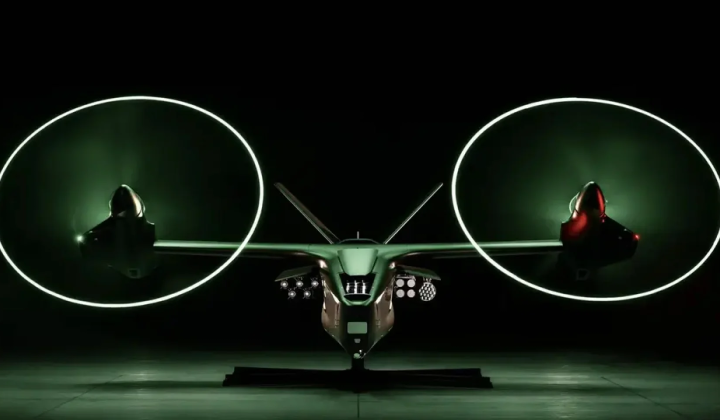
Autonomous Military Aircraft Thunder Takes Center Stage
According to НВ — Техно: On July 21, defense firm Anduril Industries introduced the Thunder, an autonomous military aircraft designed to operate in tandem with manned helicopters. This tiltrotor features a hybrid-electric propulsion system and can carry up to ten AGM-114 Hellfire missiles, AGM-179 JAGMs, or Barracuda-100M cruise missiles. Its tiltrotor design enables vertical takeoff and landing while also supporting efficient wing-borne flight.
Anduril developed the Thunder platform in partnership with Archer Aviation, leveraging vertical takeoff and landing (VTOL) technologies. The aircraft boasts a top speed of roughly 515 km/h and a range of up to 1,480 km. It can move under its own power or be transported inside a standard shipping container, enhancing its operational flexibility across diverse environments.
- One Thunder configuration can accommodate ten Hellfire, JAGM, or Barracuda-100M missiles.
- Another setup swaps those weapons for sixteen Altius-600 munitions.
- Operators can also equip the Thunder with seventy-six 70 mm rockets.
Anduril estimates that pairing three Thunders with each AH-64 Apache could triple a brigade's available munitions. The Thunder runs on Anduril's Lattice software, which provides autonomous capabilities and seamless integration into modern combat systems. Its first flight is scheduled for 2027.
Competition Heats Up in the Drone Sector
The announcement also highlights China's R6000 unmanned tiltrotor, developed by United Aircraft, which has advanced to a new phase of flight testing. That aircraft is designed for logistics, disaster relief, and offshore support. The parallel development of both platforms underscores a surge in innovation within military aviation and unmanned systems.
Anduril's Thunder launch underscores the growing role of autonomous technologies in military aviation, which could fundamentally reshape combat approaches.
This also reflects intensifying global competition in cutting-edge technology development, as rival projects like China's R6000 continue to progress. Future testing and deployment successes for such aircraft may significantly alter the strategies and tactics employed by armed forces worldwide.
As military technology continues to evolve, the development of advanced drones is becoming increasingly important. For instance, a recent innovation in the form of a supersonic drone interceptor has been engineered by US experts, showcasing the competitive landscape in unmanned aerial systems. This highlights the ongoing race among defense firms to enhance aerial capabilities and operational efficiency.

Read also