Japan Abandons Pacifism: Why Tokyo Is Expanding Its Military and Reviving Intelligence Operations

Geopolitical Dynamics in the Asia-Pacific Region
According to ХВИЛЯ: Japan is moving away from its post-war pacifist stance, ramping up its military capabilities, and reestablishing intelligence agencies. These shifts are drawing reactions from China and posing challenges to Russia's hold over disputed territories, notably Sakhalin. Analysts such as Vsevolod Zelenin and Yuriy Romanenko are examining these developments, which could significantly alter the regional power balance. The Asia-Pacific region is witnessing a strategic transformation as Japan redefines its security posture after decades of restraint.
Japan's Military Rebuilding Efforts
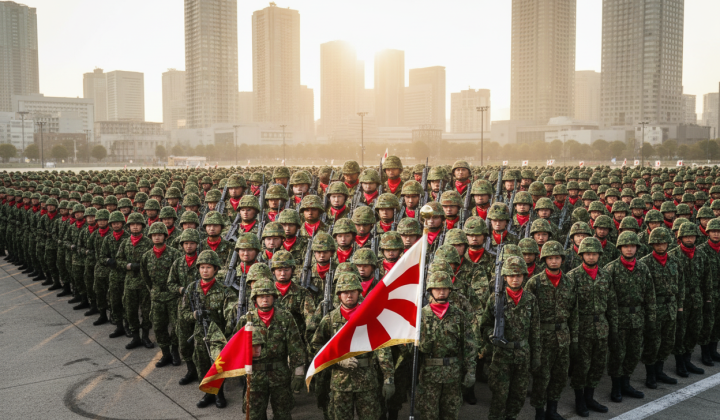
Japan is actively reviving its intelligence institutions by creating a separate intelligence agency akin to a foreign intelligence service. This move signals deep institutional reforms and doctrinal changes underway in the country. Specifically, Tokyo is boosting its military strength, constructing new bases, and deploying missile systems on its islands. These actions have alarmed Beijing, which has issued strong statements directed at Japan.
Yuriy Romanenko notes that China's aggressive policies forced Japan to rethink its security approaches, leading to a shift in public narrative within Japanese society. Vsevolod Zelenin emphasizes that Japan, long committed to a pacifist ideology, is swiftly embracing the concept of the right to defend its territory. He points out that revanchist sentiments regarding Sakhalin and other disputed islands-viewed as unjustly taken-are emerging among the populace.
Experts are exploring a scenario where Japan might militarily occupy Sakhalin. Vsevolod Zelenin questions Russia's ability to respond to such moves. He asks:
'Would the Russian Federation be capable of doing anything if the Japanese, for instance, simply moved their armed forces into Sakhalin tomorrow?' Vsevolod Zelenin
This raises doubts about Russia's control over a territory that international documents recognize as Japanese.
Meanwhile, Japan's transformations could reshape the geopolitical landscape of the region. Vsevolod Zelenin observes that Japan is emerging as a serious military player, while those once considered powerful might prove weaker than anticipated. This could create new challenges for both Russia and China, which must account for Japan's growing strength in their foreign policies.
In summary, Japan's shift away from pacifism and its military buildup may profoundly impact stability in the Asia-Pacific region, potentially sparking fresh conflicts and reopening existing territorial disputes. Japan is becoming an active participant in geopolitical dynamics, compelling neighboring countries like Russia and China to adjust their strategies in response to emerging regional threats.
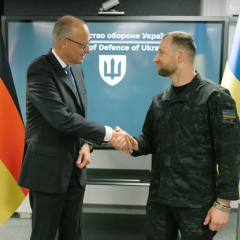
In light of Japan's military expansion, tensions are escalating as Russia reacts to these developments. The recent summoning of the Japanese ambassador by Russia over a military drone agreement with Ukraine highlights the growing geopolitical stakes in the region. This incident underscores the complexities Japan faces as it navigates its newfound military assertiveness amidst external pressures.

Read also