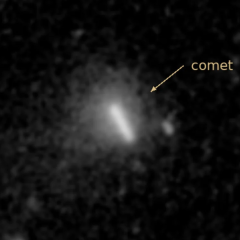
Japan’s Hayabusa2 Probe Passes Just 800 Meters from Asteroid Torifune

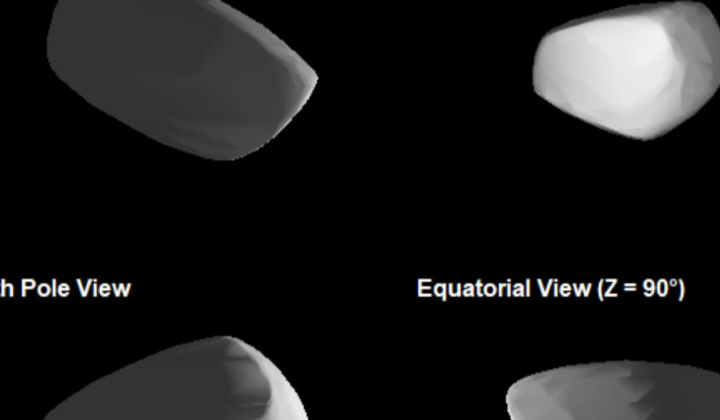
Hayabusa2’s Close Flyby of Asteroid Torifune
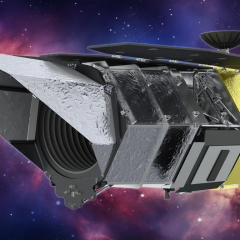
According to НВ — Техно: On July 7, 2026, Japan’s Hayabusa2 spacecraft performed a flyby of the asteroid Torifune at a distance of just 800 meters. This maneuver was part of a test aimed at developing technology to deflect potentially hazardous asteroids. The flyby took place at 18:35 on July 5, with the probe traveling at over 18,000 kilometers per hour. The Japan Aerospace Exploration Agency (JAXA) has confirmed that the spacecraft is operating normally.
At 18:35 on July 5, Hayabusa2 flew past Torifune, and the spacecraft is in good working order. - JAXA spokesperson
The significance of this research is highlighted by the difficulty of the task, which JAXA’s Yuya Mimasu compared to “trying to hit a one-yen coin somewhere within an area stretching from Okinawa to Hokkaido.”
Scientific Value and Upcoming Missions
The Hayabusa2 mission is not tied to any immediate threat to Earth, but its findings will provide critical data for future studies. One key objective is to examine the asteroid’s surface to determine whether it consists of bare rock, boulders, or sandy terrain.
Only images captured by the spacecraft can reveal this information. If we want to deflect an asteroid by impact, the outcome will differ depending on whether the asteroid behaves like a sponge or a very hard material. - Patrick Michel, European Space Agency
In 2022, NASA carried out a similar mission when its spacecraft struck the 160-meter-wide asteroid Dimorphos, altering its orbit. In 2031, Hayabusa2 is scheduled to perform a maneuver on the asteroid 1998KY26. Other nations are also advancing space exploration; for instance, China’s Tianwen-2 probe has traveled 1 billion kilometers.
The Hayabusa2 mission represents a major step forward in developing technologies that could one day protect Earth from dangerous asteroids. Data gathered on Torifune’s surface will inform future research and help design methods to respond to potential threats. These international space efforts reflect a growing global focus on addressing the risks posed by near-Earth objects.
As Japan advances its asteroid exploration efforts, other nations are also making significant strides in this field. For instance, China's Tianwen-2 probe recently approached its target asteroid at a mere 20 kilometers, showcasing the growing international collaboration and competition in space missions. Understanding these developments enhances our perspective on global efforts to safeguard Earth from potential asteroid threats.

Read also