Pompeii Archaeologists Uncover Wooden Cabinet Containing 24 Child Amulets, Hygiene Items, and 38 Bronze Coins

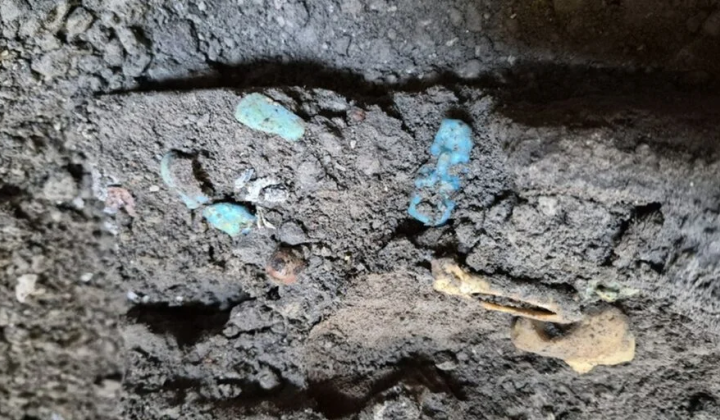
Discovery of a Wooden Cabinet in Pompeii
According to НВ — Техно: In Pompeii, archaeologists have uncovered a wooden cabinet filled with a unique assortment of 24 child amulets, personal hygiene tools, and 38 bronze coins. This remarkable cache, preserved for nearly two millennia since Mount Vesuvius erupted in 79 AD, was found inside a residence linked to Cornelius Maximus on Via dell'Abbondanza. Such finds offer valuable insights into the daily routines and domestic life of Pompeii’s ancient inhabitants.
The Significance of the Find
The amulets, known as crepundia, were crafted from materials including faience, bone, glass paste, and rock crystal. These charms depict deities like Bes and Mercury, as well as symbolic motifs such as human hands and feet, pine cones, and grape clusters. In Roman times, crepundia served as small decorative rattles and protective talismans for children.
Alongside the amulets, the cabinet contained various objects reflecting everyday life in Pompeii, including:
- tweezers
- a tool used to mix cosmetic pigments
- a glass container likely for perfumes or ointments
- an incense burner
Additionally, 38 bronze coins were discovered inside a woven container made from plant fibers. Lead weights stored in a small wooden box were also found, hinting at commercial activities conducted within the household.
The investigation extends to two terracotta incense burners uncovered in Pompeii and neighboring Boscoreale, which were used in religious ceremonies. Analysis of the ash residue revealed traces of wood, herbs, and aromatic resins. One burner was located in a structure repurposed as an inn, while the other was found in the domestic shrine of a suburban villa.
This discovery enriches our understanding of Pompeii’s cultural and material world just before the catastrophic eruption of Vesuvius. It highlights how archaeological research continues to reconstruct the intimate details of life in ancient Roman cities.
By revealing artifacts such as child amulets and hygiene items, the find sheds light on the religious beliefs, cultural traditions, and social relationships within Pompeii’s community. These objects not only deepen knowledge of local history but also contribute to broader studies of Roman civilization.
This recent discovery in Pompeii sheds light on the daily lives of its ancient residents, much like the recent findings in Hungary, where an 800-year-old gilded cross and chainmail fragments were unearthed. Both discoveries highlight the rich cultural heritage and practices of their respective eras, offering a glimpse into the past that continues to intrigue historians and archaeologists alike.

Read also