Oil Prices Surge Past $115 Following Tanker Attack in Dubai


Oil Tanker Attacked in Dubai Port
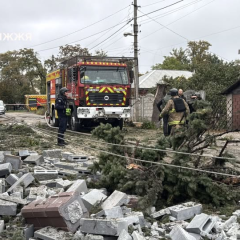
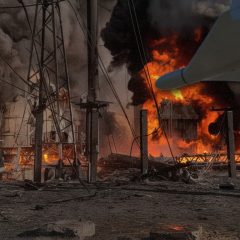
According to Главком: The Kuwait Oil Corporation has reported an attack on a crude oil tanker, named the 'Al-Salmi', in the port of Dubai, United Arab Emirates. The vessel was fully loaded at the time of the incident, sustaining damage and catching fire. No casualties have been reported so far, and a full damage assessment is ongoing. This event highlights the persistent vulnerability of critical energy infrastructure in the region.
The attack has sent shockwaves through global oil markets. On the London ICE exchange, the price of Brent crude oil surpassed the $115 per barrel mark, reaching approximately $115.7. This incident is part of a broader escalation of tensions in the Middle East. In a related development, an E-3 Sentry (AWACS) aircraft, valued at around $500 million, was destroyed during a strike on Saudi Arabia's 'Prince Sultan' airbase.
Military Escalation and Broader Impact
Amidst this heightened conflict, U.S. military forces have launched over 850 Tomahawk cruise missiles over a four-week period in operations against Iran. These events underscore the growing regional instability and its direct consequences for global economic security and energy supplies.
The tanker incident in Dubai and the wider regional conflict underscore a volatility that could have lasting repercussions for global energy markets.
Such price spikes, driven by geopolitical unrest, threaten to impact the economies of oil-importing nations and may lead to shifts in international strategies. Monitoring the situation is crucial, as further developments could significantly affect regional and global stability.
The recent attack on the oil tanker in Dubai is not an isolated incident; it reflects a troubling trend of escalating maritime threats in the region. Similar attacks, such as the recent drone assault on tankers in the Persian Gulf, highlight the increasing risks to shipping routes critical for global oil supply. As tensions rise, understanding these developments is essential for grasping the broader implications for energy markets and regional stability.

Read also