Drone Strikes Cripple Russian Air Traffic: Ust-Luga and Kirishi Attacks Disrupt Flights

Drone Attack in Russia's Leningrad Region
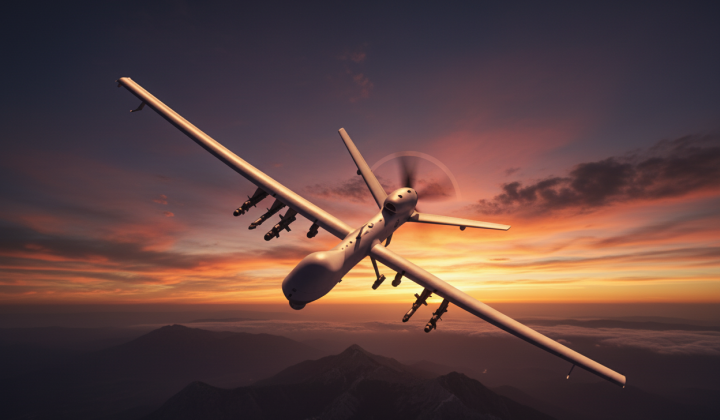
According to Главком: On the night of March 26, 2024, Russia's Leningrad region was targeted by a drone attack, with explosions reported in Vyborg and surrounding areas for a second consecutive night. Local residents described hearing 10 to 12 loud sounds consistent with air defense activity and the flight of unmanned aerial vehicles. The likely target of this assault was the industrial zone in the city of Kirishi, home to the large Kirishi Oil Refinery (KNPP).
Russian sources claim to have destroyed over 20 drones over the region. Due to the aerial threat, restrictions were imposed on the airspace over the Leningrad region and Saint Petersburg, leading to the temporary suspension of arrivals and departures at Pulkovo Airport.
Previous Drone Incidents
The night before, on March 25, the Leningrad region also endured a mass drone strike. Governor Alexander Drozdenko reported that air defense and electronic warfare systems destroyed 33 unmanned aerial vehicles. One target of the March 25 attack was the strategic oil terminal at the port of Ust-Luga, where a series of explosions triggered a fire that emergency crews worked to extinguish.
Earlier, on the night of March 11, a mass drone attack on several Russian regions resulted in a series of explosions, fires, and paralyzed air traffic in the south and center of the country. The most intense strikes were recorded in Samara Oblast, where around 10 explosions were heard over the cities of Samara and Syzran.
Another attack occurred on March 8 in Armavir, Krasnodar Krai, where a storage and transshipment oil depot belonging to the Southern Oil Company was struck by drones.
Thus, over the past month, Russian regions including Leningrad and Samara Oblasts, and Krasnodar Krai, have faced serious drone attacks, causing significant concern among the local population and leading to the imposition of airspace restrictions.
These events underscore a worsening security situation within Russia, where drone strikes have become a regular occurrence, prompting a response from authorities. The increasing frequency of such attacks suggests a potential shift in military tactics, which could have long-term implications for domestic politics and security. The airspace restrictions and drone interceptions indicate Russian efforts to protect critical infrastructure from potential threats. These strikes on energy and transport hubs are part of a broader pattern of attacks deep inside Russian territory since the onset of the full-scale invasion of Ukraine.
The recent drone strikes in the Leningrad region are part of a broader pattern of escalating aerial assaults targeting critical infrastructure across Russia. For a detailed overview of how these attacks have intensified in recent weeks, including strikes on oil depots and military sites, explore our comprehensive chronicle of drone incidents that occurred in February and March.

Read also