Dozens of Dead Dolphins Wash Ashore in the Sea of Azov

Alarming Discoveries Along the Coastline
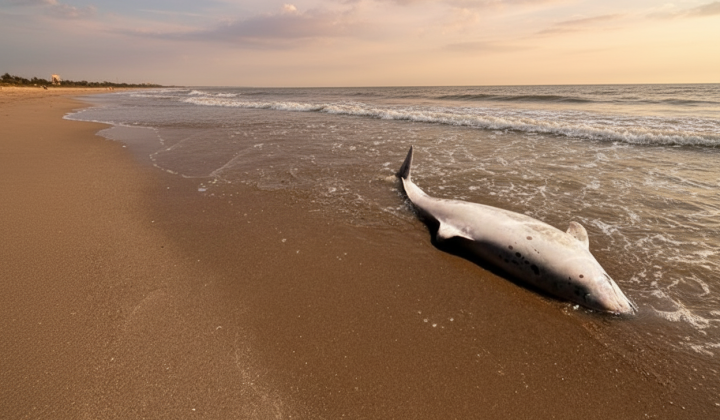
According to Главком: For the second consecutive day, the bodies of dead dolphins and large quantities of fish swept up by the waves have been found along the coast of the Bilosarai Spit and near the occupied city of Mariupol. This troubling phenomenon is drawing attention to the region's ecological condition, which scientists say is teetering on the brink of environmental disaster.
According to reports, the discovery of dolphin carcasses points to potentially harmful shifts in the coastal water ecosystem. Additionally, massive clusters of dead fish have been recorded, which may indicate water quality issues or other environmental factors at play.
Environmental Challenges in the Area
It is worth noting that such incidents are not isolated. In July 2025, a dead Azov porpoise-a type of dolphin from the harbor porpoise family-was found on the left-bank beach of Mariupol. That event served as an early warning of the threat facing marine life in the Sea of Azov. Earlier in 2026, the Ukrainian outlet Glavcom reported that the Sea of Azov coastline was indeed on the verge of an ecological catastrophe, with Ukrainian scientists estimating that at least 50,000 Black Sea cetaceans died between 2022 and 2023 alone.
The recent discovery of dolphin bodies and mass fish strandings along the Bilosarai Spit and near Mariupol has raised alarm among experts and environmentalists. These events highlight the urgent need for action to investigate the causes and consequences, as well as to protect the marine environment.
This situation underscores the severity of the region's ecological problems, which could have far-reaching impacts not only on marine fauna but also on local ecosystems and the human population.
It is critical that the relevant authorities take immediate steps to determine why these marine creatures are dying and to implement measures aimed at improving water quality and safeguarding biodiversity in this area.
The recent incidents in the Sea of Azov are reminiscent of another environmental crisis affecting the region. Similar to the alarming ecological disaster triggered by oil spills in the Black Sea, the ongoing situation highlights the fragile state of marine ecosystems and the urgent need for protective measures to safeguard wildlife and coastal communities alike.

Read also