Drone Strikes Drive Sharpest Gasoline Price Surge in Russia in Two Decades

Russia's Fuel Price Spike
According to Главком: Between June 16 and 22, gasoline prices in Russia jumped 3% to 71.20 rubles ($0.95) per liter. This marks the steepest weekly increase in fuel costs the country has seen in at least 20 years. The surge is attributed to Ukrainian drone attacks on oil refineries, which have caused significant supply disruptions across 75% of Russian regions.
Market Fallout
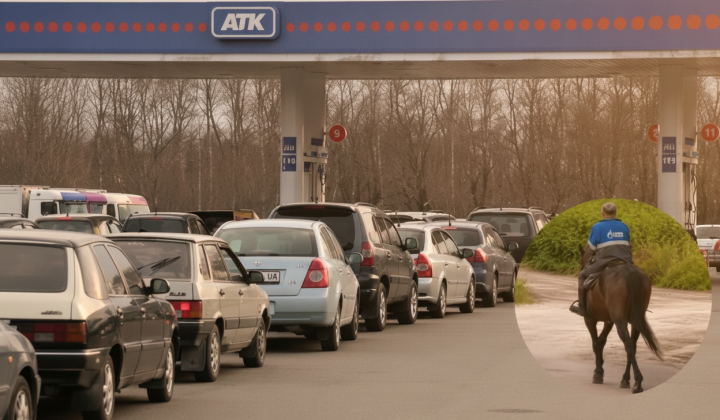
Fuel shortages have led to driving restrictions in the Bryansk, Kursk, Lipetsk, Samara, and Tyumen regions. Diesel prices also rose by 2.7%, following a 0.8% increase the previous week. In May, oil product output fell by 13.5%, the sharpest decline since at least 2015. During the first half of June, gasoline production dropped 15% compared to the same period last year, and in the early days of June, it decreased by 9% month-over-month.
Since the start of 2026, Ukrainian drones have struck Russian refineries at least 47 times, with 82 such attacks recorded in 2025 alone. Meanwhile, Russia's annual inflation accelerated to 5.8% in June, up from 5.3% in May. From June 15 to 21, the country's daily gasoline output fell roughly 25% compared to the average daily rate for June 2025.
Additionally, the cost of fuel canisters in Moscow rose by 20-40% over several weeks.
Alexander Novak commented on the situation, stating, 'The situation is difficult but manageable.'
Liam Peach, meanwhile, emphasized that 'Ukraine's drone campaign against Russian energy infrastructure has turned into a persistent macroeconomic problem for Moscow.'
Russia's fuel market, severely worsened by strikes on oil refineries, poses serious challenges for the country's economy. Rising fuel prices, shortages, and declining oil product output show that the conflict's effects continue to impact key sectors of the Russian economy. This could have long-term consequences for consumer markets and inflationary trends within the country.
The ripple effects of rising fuel prices are not limited to Russia alone. In Ukraine, for instance, the cost of A-95 gasoline has seen a significant increase, reaching 75 UAH per liter. This surge highlights the broader regional impact of ongoing energy conflicts. To understand the full extent of these fluctuations and their implications on the economy, you can read more about the latest developments here.

Read also