Workplace Engagement Declines Among Most Ukrainians

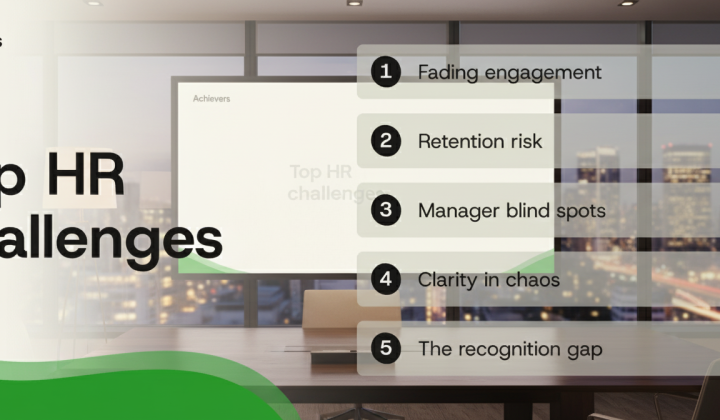
HR Challenges on the Horizon for 2026
According to Achievers: By 2026, HR managers are expected to confront 20 major challenges that could significantly impact workforce management effectiveness. According to the State of Recognition Report from the Achievers Workforce Institute (AWI), the primary concerns will revolve around employee engagement, turnover, burnout, and a widening recognition gap. Notably, implementing consistent and meaningful acknowledgment of employee achievements may prove essential for improving conditions in these areas.
Currently, only 26% of employees feel engaged at work, and just 22% plan to stay in their current role over the next year. Alarming statistics reveal that 60% of workers are either actively job hunting or open to new opportunities. Meanwhile, only 15% of staff receive regular recognition from their managers, and an equal 15% get it from colleagues. The research indicates that weekly recognition has dropped from 29% to 19% over the past year, signaling a declining focus on the importance of appreciating employee contributions.
How Recognition Drives Performance
Data shows that 92% of employees do not fully understand expectations, which can undermine their motivation and engagement. Only 25% feel they are performing at their most productive level, and 23% see a connection between their work and the company’s purpose. Additionally, 25% of workers report a strong sense of belonging-a key factor in retention. Among the most valued forms of recognition:
- 21% of employees say the most meaningful recognition includes a reward;
- 45% believe recognition is most effective when it is specific and non-monetary.
Regular acknowledgment of achievements has a profound effect on engagement and productivity. Those who receive weekly recognition are 3 times more likely to feel engaged, 6 times more inclined to see a long-term future with the company, and 11 times more likely to feel informed during periods of change. Employees who are consistently recognized are 2.6 times more likely to be productive and 9 times more likely to experience a sense of belonging. They are also 1.7 times more likely to envision a long-term career within the organization.
The top 20 HR challenges for 2026 include issues such as:
- declining engagement,
- retention risk,
- manager blind spots,
- clarity amid chaos,
- the recognition gap,
- burnout and low productivity,
- disconnected purpose,
- belonging deficit,
- infrequent peer recognition,
- quiet quitting,
- misunderstanding of how corporate culture impacts daily operations.
Effectively managing these challenges will require HR leaders to adopt fresh approaches and strategies, particularly through the integration of regular employee recognition programs.
“Employees aren't asking for miracles. They're asking to be seen.”
Achievers Workforce Institute
Given the obstacles ahead for HR professionals, it is crucial to recognize that proactive acknowledgment of employee contributions can significantly reduce turnover and boost engagement. Implementing new strategies aimed at supporting motivation and job satisfaction will be critical for companies striving to remain competitive in the labor market. Shifting how recognition is approached can help build a positive corporate culture where every employee feels valued and significant.
As the trends in employee engagement continue to decline, the financial ramifications for organizations could be significant. A recent analysis highlights that disengagement among workers not only affects morale but could also lead to substantial economic losses. For a deeper understanding of these challenges and their potential costs, explore how employee disengagement impacts overall productivity and what steps can be taken to mitigate these issues.

Read also