Beavers Return to Britain, Transforming Dry Waterways into Thriving Wetlands

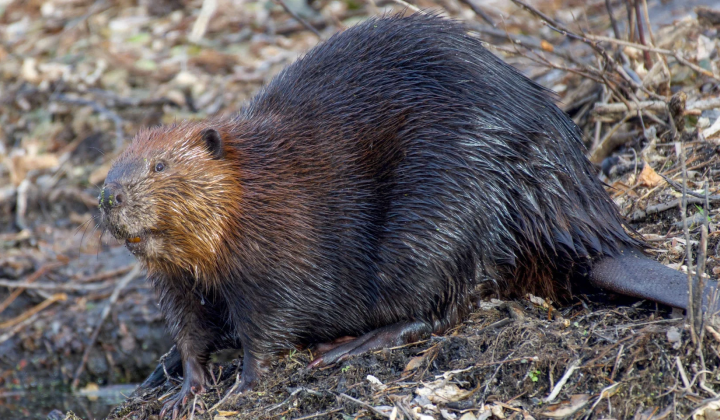
Beaver Reintroduction Efforts in Britain
According to НВ — Техно: After being extinct in Britain since the 16th century, beavers have been making a comeback over the past six years. Their return is revitalizing dried-up streams by creating wetlands that retain moisture even during droughts. Through digging channels, building dams, and felling trees, these industrious animals help store water and sustain vegetation in their habitats.
Studies from Canada reveal that wetlands inhabited by beavers contain nine times more open water than areas without them. For instance, in Devon, 13 beaver dams have collectively captured around one million liters of water. Additionally, territories supported by four wild beaver families can hold over 24 million liters of water. Research conducted in the United States in 2020 also found that vegetation near beaver dams is three times less likely to be damaged by wildfires, highlighting their role in mitigating fire impact.
Challenges and Considerations in Beaver Reintroduction
Successfully reintroducing beavers requires licenses, management plans, and the cooperation of landowners. Not all water bodies are suitable for beavers, as their dams can flood farmland or harm nearby trees. Looking ahead, beavers have the potential to become a vital component of Britain's wetland networks, contributing to ecological restoration in areas where they have been reestablished.
Bringing beavers back to Britain presents a promising opportunity to enhance the country's environmental health, especially amid climate change and increasing droughts. Their ability to conserve water and support plant life can aid both in combating climate impacts and restoring natural ecosystems. However, this process must be carefully tailored to local conditions and needs, requiring collaboration among government bodies, scientists, and local communities.

Read also