Bulgaria for Ukrainians - Entry Rules, Visa and Accommodation Conditions

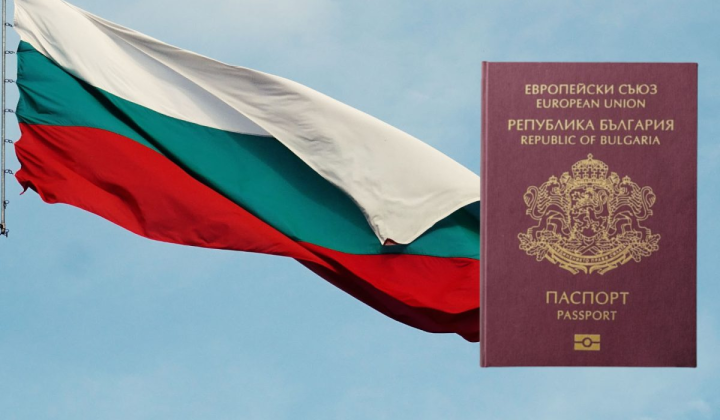
Bulgaria remains a relevant country for relocation. Therefore, the topic of Bulgaria visa for Ukrainians or Bulgaria accommodation for Ukrainians remains topical. There are differences and peculiarities in the application for these statuses.
Moreover, Bulgaria's entry for Ukrainians is a good choice while the war in Ukraine continues and many regions remain dangerous. This country is also quite welcoming to Ukrainians.
Entry Rules for Ukrainians in Bulgaria
Bulgaria is one of the European Union countries that actively supports Ukrainians who fled due to the war, offering various forms of assistance and legalization of stay. Its geographical proximity, similar linguistic and cultural features make this country attractive for temporary or permanent residence.
Ukrainians can enter Bulgaria under simplified rules that have been in effect since 2022, significantly easing the border crossing process. It is important to know that no visa is required for short-term stays, while long-term residency provides for special protection programs. The Bulgarian government provides shelter, social support, and assistance with documentation. The legalization process requires certain formalities.
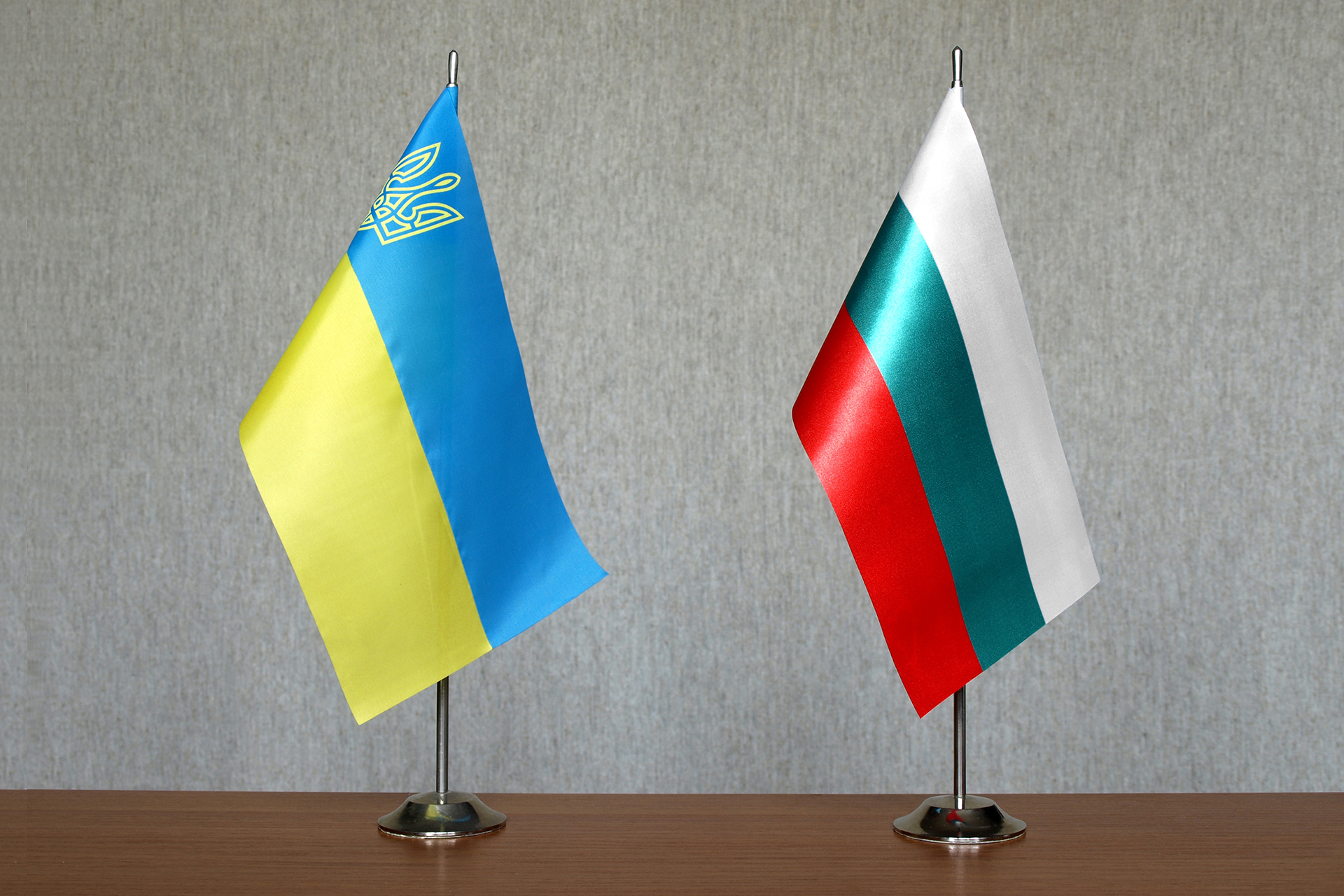
Citizens of Ukraine have the right to visa-free entry into Bulgaria with a valid passport containing biometric data, allowing them to stay in the country for up to 90 days within a six-month period. For individuals fleeing due to the war, there are additional simplifications, including the possibility of entering with an internal passport in cases where the foreign document is absent or lost. When crossing the border, it is necessary to present documents confirming the purpose of the trip, such as an invitation from relatives or confirmation of accommodation booking. Birth certificates for children may also be required if they are traveling without their parents. No certificate of criminal record is required for Ukrainians. The border can be crossed without additional medical certificates. Entry is allowed through any international checkpoints. Citizens must have return tickets. The duration of stay is limited. Violating the rules may result in fines. Children under the age of 16 can enter with a birth certificate. In case of loss of documents, it is necessary to contact the embassy. It is important to register the place of residence within the first few days. Entry rules are regularly updated. It is recommended to check for current information before traveling.
Visa and Stay Conditions in Bulgaria
For stays in Bulgaria exceeding 90 days, Ukrainians must obtain a long-term visa or apply for temporary protection status. The visa application process involves submitting a request to the consulate along with a package of documents. The residence permit is issued based on employment, education, or family reunification. Ukrainians who have received temporary protection do not need a separate visa. The residence permit is typically valid for one year with the possibility of extension. To extend the status, it is necessary to confirm the grounds for the stay.
Violating the terms of stay may lead to the revocation of the permit. It is essential to register any change of address within the stipulated time. Health insurance is mandatory for all categories. Obtaining a tax number opens access to work. Children have the right to attend schools. Remaining on a visa does not entitle one to social assistance. Working without the appropriate permit is prohibited. Changing status is possible after a certain period of stay.
Accommodation for Ukrainians in Bulgaria
Ukrainians seeking protection in Bulgaria can apply for temporary protection status, which is granted automatically based on an application. This status allows for legal residence in the country, employment, and access to medical services. The application procedure is conducted with migration authorities. To do this, it is necessary to present a passport and fill out a form. The decision is made within a few days. The status is granted for up to one year and can be extended if the threat remains.
Persons with temporary protection receive the right to reside. They have access to the labor market. They can register their place of residence. They receive an identification number. The status does not limit the rights of children to education. It provides access to health insurance. The procedure does not require the payment of a state fee. Refusal is possible in cases of providing false data. It is advisable to seek consultation from lawyers.
Social Assistance and Housing for Refugees
The Bulgarian government provides Ukrainians with temporary protection status a comprehensive range of social services, including cash assistance, temporary housing, and medical care. Cash assistance is paid on the basis of an application and status confirmation. The amount of payments depends on the family composition and the presence of children. Accommodation is provided in shelters or private residences. The living conditions are defined by municipalities. Refugees can independently rent housing with partial compensation. Children are provided with places in schools without additional requirements. Health insurance covers basic types of treatment.
Social workers assist with adaptation. Employment consultations are provided for free. Payments are terminated in the case of employment. Accommodation is provided for a specified period. Continued assistance requires status confirmation. Living conditions are monitored by municipal services. It is important to contact social assistance centers. Timely application submission ensures continuity of support. Information is provided in the official language. Document translation is possible free of charge. The Bulgarian social system is aimed at assistance. The assistance application process is straightforward and transparent.
Social Assistance and Housing for Refugees
The Bulgarian government has implemented a comprehensive support system for Ukrainians who have received temporary protection status, which includes cash payments, housing provision, medical care, and employment assistance. Cash assistance is assigned based on a written application that must be submitted to social security authorities along with documents confirming residency status and family composition since the amount of payments is calculated individually based on the number of family members and the presence of minors. Temporary accommodation for newly arrived refugees is organized through state shelters, where basic living conditions are provided, as well as through private landlords collaborating with municipalities within special support programs.
The living conditions in such centers are determined by local authorities, considering the number of residents, sanitation standards, and the availability of social infrastructure, including schools and medical facilities. Refugees wishing to rent accommodation independently can expect partial compensation for rental costs, provided they submit an official rental agreement and confirm their registered residence. Refugee children get places in public schools on general terms without additional admission tests or tuition fees, ensuring continuity in education for all age categories.
Medical care is provided through compulsory health insurance covering basic types of treatment, consultations with specialists, and emergency services; however, to access the full range of services, refugees are recommended to obtain additional insurance. Social workers provide support for refugees at all stages of adaptation, helping with documentation, job searching, and addressing daily issues, significantly easing the integration process into a new environment.
Employment consultations are provided for free at employment centers, where job vacancies are offered based on qualifications and work experience, and courses for skills enhancement and Bulgarian language study are organized. Cash payments stop in the event of official employment of a refugee, as the income has to replace state support; however, the protection status and the right to medical care are maintained. Accommodation in shelters is provided for a specified period, usually up to six months, with the possibility of extension if the status is preserved, and there are no other sources of income.
Extension of social assistance requires regular status confirmation, which is performed by submitting updated documents to social security authorities within the established deadlines. Living conditions and the amount of assistance are monitored by municipal services that conduct periodic reviews to ensure compliance with residency norms and the targeted use of funds. To resolve administrative issues, refugees are advised to contact social assistance centers where specialists provide information in Bulgarian and Ukrainian.
Timely submission of applications and document updates ensures continuity of support and prevents the occurrence of debt or cessation of payments. The Bulgarian social protection system demonstrates a high level of organization and readiness to provide assistance, but refugees should independently contact the relevant authorities to obtain current information. It is important to remember that document translation and consultation are provided free of charge as part of support programs, eliminating additional financial barriers. Overall, Bulgaria's social policy is aimed at creating decent conditions for temporary residency for refugees and contributes to their successful adaptation.
For detailed information on the application submission process and the list of required documents, it is advisable to contact the official web resources of the Ministry of Social Policy. Consultations can be obtained by calling the hotline or through specialized online platforms. This approach ensures accessibility of assistance for all categories of refugees.
Right to Work and Medical Care

Ukrainians who have received temporary protection status in Bulgaria have full rights to legal employment without the need for additional permits, greatly simplifying access to the job market compared to other categories of foreigners. This right allows for official work in any field if the employer is willing to formalize an employment contract according to Bulgarian legislation. To gain employment, it is necessary to obtain an identification number, which is issued after registering the place of residence and assigning status; without this number, the employer cannot legally pay wages. The Bulgarian labor market offers vacancies in various sectors, including tourism, agriculture, construction, the IT sector, and services, with the highest demand observed for unskilled workers during seasonal periods.
Knowledge of the Bulgarian language significantly expands job search opportunities as many employers require a basic level of language proficiency for communication with colleagues and clients, although in international companies, knowledge of English is often enough. State employment centers offer free consultations regarding employment, assist in resume writing and vacancy selection according to qualifications, and also organize training courses for professional retraining to increase competitiveness in the market. Medical care for Ukrainians with temporary protection status is organized through the compulsory health insurance system that covers basic types of treatment, consultations with family doctors, specialized medical assistance, and emergency situations. To access medical services, it is necessary to register at the local medical facility, choose a family doctor, and obtain a health insurance policy, which is provided free of charge for the duration of the protection status.
The healthcare system in Bulgaria comprises both public and private sectors, where public hospitals offer free treatment provided one has insurance, while private clinics provide paid services with higher comfort levels and shorter waiting times. In the case of hospitalization or emergencies, refugees receive complete medical assistance without prior payment, while subsequent insurance covers treatment costs within established limits. It is important to note that dental treatment and some types of specialized assistance may not be covered by basic insurance; therefore, obtaining additional private insurance is recommended. Bulgaria's pharmacy network offers a wide range of medications, with part of prescription drugs available for free or with partial compensation on a doctor's prescription. Should there be a need for prolonged treatment or rehabilitation, refugees can approach social services that provide additional support in the form of referrals to specialized centers.
Employment and access to healthcare are fundamental conditions for successful integration. Regular visits to doctors support health maintenance. The Bulgarian healthcare system ensures necessary assistance to all categories of the population. Social integration depends on timely application processing. Employers are increasingly hiring Ukrainians. The state supports the employment of refugees. Adaptation programs help to navigate the market more quickly. It is advisable to attend Bulgarian language courses. This facilitates communication with doctors and colleagues. Health insurance is processed automatically. Receiving assistance requires minimal bureaucratic procedures. Overall, Bulgaria's social protection system meets European standards.
How to Obtain Citizenship?
The naturalization process in Bulgaria is lengthy and multi-stage, as it requires the applicant to fulfill a number of conditions, starting with legal entry and obtaining the first residency permit, which may be issued based on temporary protection, employment, education, or family reunification, and only after several years of continuous residence does the right to apply for citizenship appear. The main criterion for application is a five-year period of legal residence based on a permanent residency permit, which can be shortened to three years for persons of Bulgarian descent who have proven their roots through archival documents, as well as for those married to a Bulgarian citizen for a specified period.
Throughout the entire period of residence, the applicant must demonstrate financial stability, having an official source of income, paying taxes to the state budget, and not having debts to the tax authorities, which is confirmed by appropriate certificates. An important component is the absence of a criminal record both in Bulgaria and in the country of origin, verified by presenting official certificates, as well as the absence of administrative violations that may indicate non-compliance with the laws of the host country. Significant attention is paid to integration into Bulgarian society, which is manifested through participation in community life, language knowledge, and cultural peculiarities, and this is assessed during an interview with migration officials.
An essential requirement is passing a Bulgarian language exam at the B1 level, which checks the ability to communicate fluently in everyday situations, read official documents, and write applications, as well as a test on history, geography, and constitutional structure, confirming knowledge of the main state institutions and historical events. Preparing for these exams takes time, so many candidates attend specialized courses organized at cultural centers or universities, or study independently using educational materials available in libraries and online resources. After fulfilling all conditions, the applicant gathers a package of documents that includes a passport, a birth certificate, income certificates, a criminal record clearance certificate, housing registration documents, exam certificates, and submits an application to the Bulgarian Ministry of Justice, which is authorized to make decisions regarding citizenship.
The review of the submitted application can take anywhere from several months to a year, as authorities conduct a thorough verification of the authenticity of the provided data, sending requests to various authorities, and may require additional explanations or documents to confirm certain facts. In the event of a positive decision, the applicant is invited to a solemn ceremony for taking an oath of allegiance to Bulgaria, which is the final step of the procedure, after which a certificate of citizenship is issued, which is the basis for processing domestic and foreign passports. It should be noted that denial of citizenship can be challenged in court; however, this process is complicated and requires professional legal assistance, so it is recommended to consult lawyers specializing in immigration law before applying. Having Bulgarian citizenship opens broad perspectives for the holder, including the right to free movement, residence, and employment in any EU country, access to quality healthcare, education, and social protection, making this process worthwhile for those planning to connect their lives to Europe. It is worth noting that Bulgaria allows dual citizenship, so Ukrainians do not have to renounce their passport, which is an additional advantage, as it preserves the right to return to Ukraine without any restrictions.
The naturalization process is a test of patience and responsibility, but an awareness of the end goal motivates candidates to overcome all bureaucratic obstacles and focus on building a stable life in the new country. Social support provided to Ukrainians in Bulgaria creates favorable conditions to gradually navigate through all stages of legalization. Integration into the local community accelerates adaptation and reduces stress associated with changing residence. Successful acquisition of citizenship confirms full inclusion in the legal framework of the country. The Bulgarian state is interested in integrating new citizens who are ready to contribute to its development.
Overall, Bulgaria remains a good choice for Ukrainians. It is enough to find conditions for legal residence and social protection. There are many such options available for Ukrainians at the moment.

Read also