Ukrainians Face Severe Burns from Toxic Sosnowskyi Hogweed

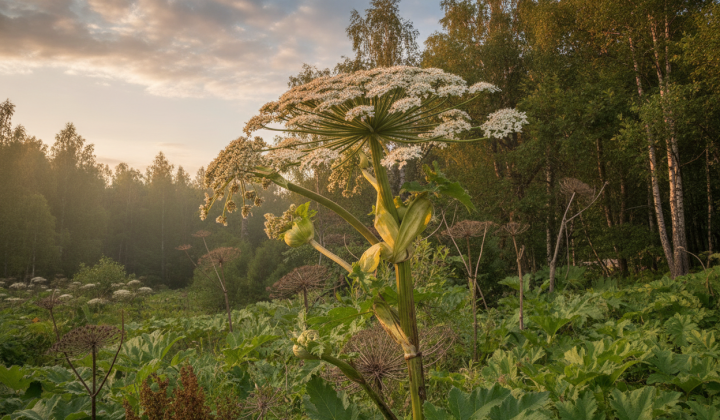
Rising Cases of Poisoning by Sosnowskyi Hogweed
According to Главком: Ukraine is witnessing a surge in poisoning incidents linked to the hazardous plant Sosnowskyi hogweed (Heracleum sosnowskyi Manden). This invasive species, which can grow 3 to 5 meters tall with stems up to 10 centimeters thick, poses a serious health risk-particularly to children and individuals with red hair. It commonly thrives in streams, riverbanks, roadsides, degraded pastures, and abandoned fields.
The plant's green parts contain furanocoumarin, a substance that triggers burns upon contact. These burns may not appear for one to two days, but their consequences can be severe. The condition progresses through several stages:
- Stage one involves redness at the contact site;
- Stage 2A leads to clear fluid-filled blisters;
- Stage 2B results in blisters with red or yellow fluid, accompanied by skin tightness;
- Stage three causes scarring and scab formation;
- Stage four is the most critical, producing black, charred scabs that penetrate the full thickness of skin and muscle.
Poisoning symptoms can include headache, dizziness, nausea, vomiting, and a fever that may climb to 40 degrees Celsius. Ulcers from the burns can take up to three months to heal, while pigmented spots may linger on the skin for several years.
Preventive Measures
To avoid dangerous outcomes, experts advise taking the following precautions:
- avoid touching hogweed leaves with bare hands;
- warn children about the risks;
- do not use the plant's leaves as wipes or napkins.
These simple yet critical steps can reduce the likelihood of poisoning and its lasting effects.
The increase in Sosnowskyi hogweed poisoning cases highlights the urgent need for a stronger public awareness campaign about this plant's dangers. Local authorities and medical institutions should actively inform communities about the risks and prevention methods, especially in areas where the plant is widespread. Taking effective action can significantly lower the rate of injuries and complications tied to this hazardous species.

Read also