Funding Cuts Could Trigger a New HIV Epidemic, UNAIDS Warns

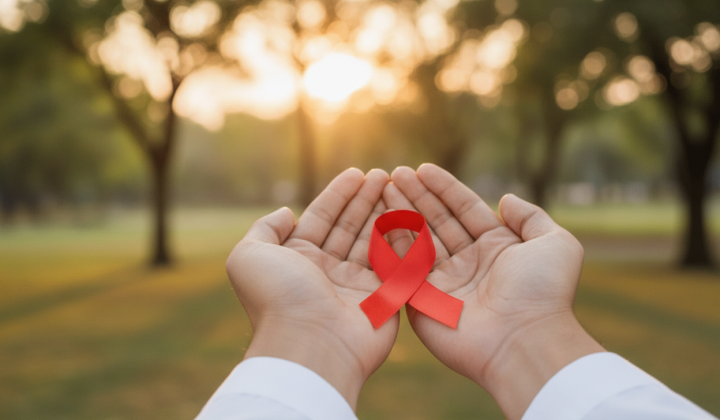
Warning of a New HIV/AIDS Epidemic
According to Главком: The Joint United Nations Programme on HIV/AIDS (UNAIDS) and international medical organizations have raised alarms about the potential for a new large-scale HIV and AIDS epidemic. This looming crisis stems from reduced financial support from the United States and the United Kingdom, which has already led to clinic closures and disrupted access to testing and treatment for people living with HIV. A study published in The Lancet projects that if global health programs continue to be scaled back, the world could face over 14 million additional deaths by 2030.
Current State of the HIV/AIDS Response
By the end of 2024, 9.2 million people worldwide were still without necessary treatment, and AIDS-related deaths reached 630,000-double the number that had been forecast. In countries with high HIV prevalence, testing rates dropped by 22% in 2025. These figures highlight the severe impact of funding cuts on programs that provide essential medical care to those in need.
In early 2025, the U.S. administration temporarily suspended all projects of the United States Agency for International Development (USAID) in Ukraine. Additionally, the U.S. plans to nearly halve the combined budget of the State Department and USAID for 2026. The United Kingdom is also taking steps to reduce contributions to the Global Fund by £150 million, and between 2026 and 2029, it has planned to cut spending on global health programs by approximately 50%.
“My biggest fear is that we will no longer have a moment when we can capture international attention, make people truly care, and invest where it matters. I think the epidemic is coming.”
Christine Stegling, Deputy Executive Director of UNAIDS
Experts, including those from Médecins Sans Frontières UK, emphasize the urgent need for action to prevent the epidemic from spiraling further, which could result in immense human suffering.
Given these developments, it is clear that funding reductions could have catastrophic consequences for the global fight against HIV/AIDS. This situation underscores the critical importance of international cooperation and sustained support for programs that ensure access to healthcare for people living with HIV. Without immediate action and investment in health systems, the world may find itself on the brink of a new epidemic, threatening the well-being of millions.

Read also