Brazilian Scientists Develop Color-Changing Biodegradable Humidity Sensor for Food Packaging

Innovative Biodegradable Sensor Tracks Food Freshness
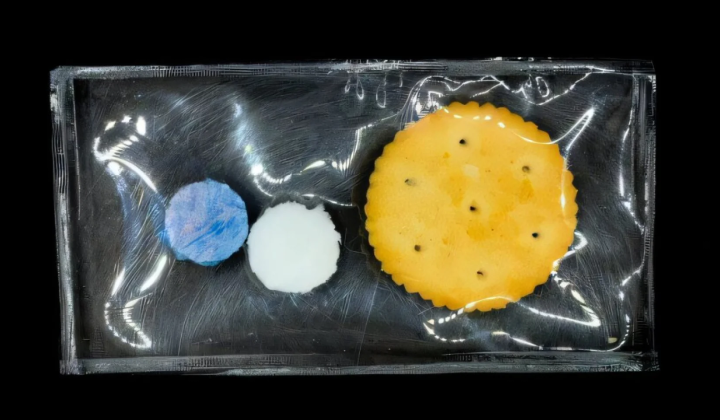
According to НВ — Техно: A team of Brazilian researchers has engineered a biodegradable humidity sensor made from starch, designed to monitor the freshness of food products by changing color in response to moisture levels. Developed at the Institute of Chemistry in São Carlos, University of São Paulo (IQSC-USP), this sensor shifts from blue to pink as humidity rises inside the packaging, offering a clear visual indicator of product condition, particularly for moisture-sensitive items like crackers. The sensor is crafted from a porous starch cryogel coated with cobalt chloride, which reverts to blue when moisture dissipates.
Performance and Practical Testing
To validate its effectiveness, the sensor was tested on crackers, which quickly lose their crispness if exposed to excess moisture. It enables freshness monitoring through both simple visual cues and smartphone camera detection. The sensor’s large surface area and high porosity-achieved via freezing and freeze-drying processes-are critical for its responsiveness. However, since cobalt chloride is toxic, further packaging design improvements are necessary to ensure safe use.
The research team is also exploring safer alternatives using natural pigments and bioactive compounds extracted from fruit skins like jabuticaba. These natural indicators respond to pH changes by altering their color and can serve as markers for spoilage in perishable foods. Additionally, their antioxidant properties present promising benefits for the food industry.
"The key advantage of our design lies in the extensive surface area and high porosity achieved through freezing and freeze-drying," explained Professor Bianca Manilla.
This cutting-edge technology holds significant promise for enhancing freshness control and reducing food waste across the industry.
The creation of this biodegradable sensor by Brazilian scientists marks a notable advancement in eco-friendly packaging solutions. As traditional packaging materials often contribute to substantial environmental waste, innovations like this are vital in the global effort to minimize food waste and improve product safety. Such developments could play a crucial role in transforming the food industry toward greater sustainability.
In addition to advancements in humidity sensing for food packaging, researchers are also focusing on enhancing food safety by addressing pesticide residues. For instance, a recent study reveals how scientists from Canada have developed a method that effectively removes up to 96% of pesticides from fruit skins, thereby extending their freshness. This innovative approach not only improves the quality of food products but also complements efforts in the food industry to ensure consumer safety and health. To learn more about this significant development, visit how researchers are tackling pesticide contamination.

Read also