UK Pitches EU a Single Goods Market as an Alternative to Sanctions

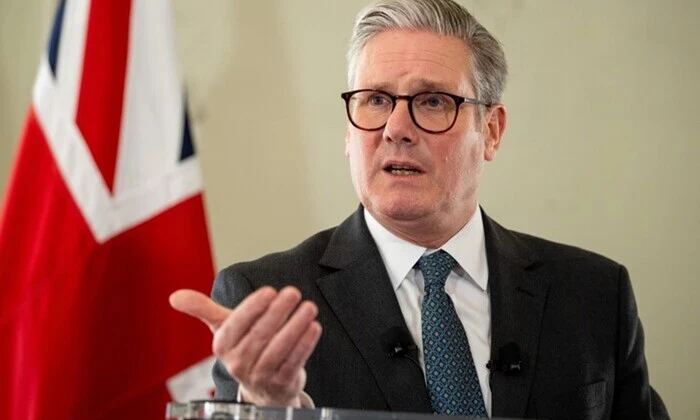
Britain’s Push for a Unified Trade Market with the EU
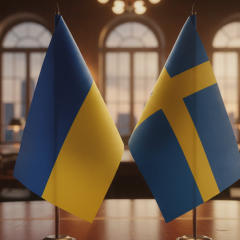
According to Главком: During an informal meeting in Brussels, British negotiators floated a proposal to establish a single market for goods with the European Union. The plan aims to restore frictionless trade across all categories of industrial and consumer products. Business leaders in the UK have confirmed that such an arrangement would allow goods to move without customs checks, red tape, or regulatory hurdles. The next official EU-UK summit is scheduled for the summer.
However, the European Commission has signaled that it will not grant Britain access to the bloc’s economic benefits without adhering to core principles. In response to the UK’s initiative, European diplomats have presented London with tough counterproposals, reflecting a cautious stance from the EU toward new offers from the British government. This dynamic highlights the ongoing tensions in post-Brexit trade relations.
Challenges in International Trade
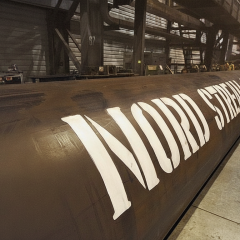
Separately, UK Trade Minister Chris Bryant acknowledged that the government mishandled the partial easing of sanctions against Russia. The decision allowed the import of diesel and aviation fuel produced in third countries from Russian oil. Bryant’s admission underscores the complexity and sensitivity of navigating international trade amid sanctions regimes.
Britain’s push for a single goods market with the EU may signal efforts to improve economic ties between the two sides after Brexit. Yet the firm response from the European Commission emphasizes that any renewed cooperation must respect the principles guiding EU policy. At the same time, the trade minister’s recognition of missteps in sanction implementation shows the British government’s struggle to balance economic interests with international commitments. These developments could significantly shape future negotiations and the broader UK-EU relationship in the months ahead.
As the UK navigates complex trade dynamics with the EU, the recent decision to allow imports of fuel derived from Russian oil has raised eyebrows. This move reflects ongoing challenges in balancing economic interests against international obligations. Understanding the implications of these developments is crucial, especially in light of Britain's aspirations for a unified trade market with the EU. For more insights on this issue, see how the UK is adjusting its approach to fuel imports amidst sanctions on Russia.

Read also