AI-Generated Faces Are Driving British Surgeons to Sound the Alarm

The Rise of AI Chatbots in Plastic Surgery
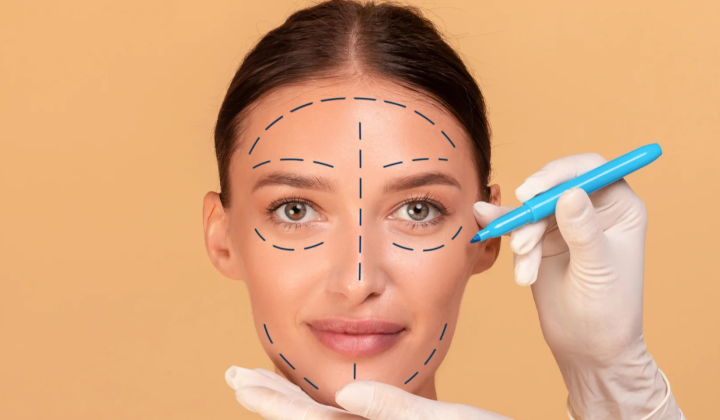
According to НВ — Техно: British plastic surgeons are raising concerns over a growing number of patients who use artificial intelligence chatbots to design their ideal facial features-and then demand surgery to replicate those digital creations. Doctors warn that these AI-enhanced results are often impossible to achieve due to natural anatomical limitations. Nora Nugent, president of the British Association of Aesthetic Plastic Surgeons, reports that patients now arrive with AI-modified images, expecting that such outcomes can be surgically realized.
Surgeons’ Concerns and the Realities of Plastic Surgery
Surgeons including Alex Karidis and Julian De Silva have voiced alarm over the implications of this trend.
Alex Karidis notes that 'AI can alter every pixel in an image, but plastic surgery doesn’t work that way.'
He also stated that the moderate changes suggested by AI for a Guardian journalist would cost roughly £25,000. Julian De Silva added that 'AI can easily straighten eyes or facial features in a photo, but in real life, this is often impossible because the shape of the eyes and bones is determined by the skull’s anatomy.'
Common patient requests include:
- flawlessly smooth skin,
- a perfectly symmetrical face,
- prominent cheekbones, and
- an ideal nose.
A hallmark of AI-generated faces is excessive symmetry. Social media has also seen a surge in videos showcasing perfect plastic surgery results that are either created or altered using artificial intelligence. This trend is raising red flags among aesthetic medicine professionals, who believe patients may be developing unrealistic expectations.
The growing use of artificial intelligence in aesthetic medicine reflects a broader tech-driven shift in how people perceive beauty. This raises serious ethical questions and potential mental health consequences for patients who may feel pressured to pursue unattainable standards. It is essential for patients to maintain realistic expectations about surgical outcomes and to understand the limitations imposed by their own anatomy.

Read also