Buddy System: what it is and how the mentorship system works in companies


One of the tools gaining popularity in corporate culture is the Buddy System, or the mentorship system at the workplace. It involves appointing an experienced employee who becomes a kind of 'partner' or mentor for a new worker, helping them adapt to the internal processes of the company, understand the corporate culture, and master professional skills.
What is the Buddy System
This system is actively used not only in large international corporations but also in medium and small companies where a personal approach to each employee is valued and efforts are made to reduce stress levels during the first weeks of work.
The Buddy System differs from formal mentoring in that it is more informal, flexible, and focused on daily support of the new employee rather than solely on professional development. This creates trust, strengthens team bonds, and fosters an atmosphere of openness where every employee can seek help at any moment. The system also helps integrate the new employee into the collective, reduces the risk of mistakes due to job insecurity, and accelerates the onboarding process. That’s why the Buddy System is becoming an integral part of modern HR management, especially in conditions of rapid change and high demands for team effectiveness.
The Buddy System is an organizational practice aimed at forming a 'novice - experienced employee' pair to support the new worker during their onboarding. The main idea of the system is to create trusting relationships between the new team member and their mentor, who serves as a guide in the corporate environment. Within the framework of the Buddy System, the newcomer receives not only practical advice on task completion but also assistance in understanding corporate rules, the internal culture of the company, and informal processes and social norms that may be invisible to outsiders. Importantly, the Buddy System differs from classical mentoring or coaching in that it does not focus solely on professional development or performance assessment. It aims to support, observe, and gradually integrate the new employee into the work process, helping them adapt and feel confident within the team. The Buddy System is often applied during the first days or weeks of work but can last longer, depending on the company’s needs and the individual characteristics of the new employee. This system allows for faster adaptation and strengthens corporate culture since mentors also deepen their knowledge of internal processes and gain experience in communication with new colleagues.
Goals and significance of the Buddy System

The main goal of the Buddy System is to ensure effective adaptation of new employees, reduce the stress associated with starting a job, and increase team productivity. The system allows for the quick familiarization of the newcomer with all the internal processes of the company, working tools, and the specifics of inter-departmental interaction. The significance of the Buddy System also lies in supporting the corporate culture and creating a positive climate within the team. A new employee who feels supported by a mentor adapts faster, worries less about potential mistakes, and interacts more openly with colleagues. Additionally, the Buddy System helps the company reduce employee turnover because a newcomer receiving adequate support is more likely to stay in the company long-term. The system fosters trust among employees and increases their motivation, as everyone feels that their development and comfort are important to the organization. A separate role is played by the social component of the Buddy System: the mentor helps the newcomer establish contacts within the team, get acquainted with corporate traditions and behavioral rules, which greatly facilitates the integration process. Thus, the Buddy System performs the functions of professional support, socialization, and creating a positive emotional climate in the company.
How the Buddy System works in companies

The Buddy System in companies operates on the principle of 'one experienced employee - one newcomer,' but it can be adapted to different formats and the scale of the organization. First, the company identifies candidates for the role of mentors – these are usually employees with sufficient experience, high communication skills, and a desire to assist newcomers. After the 'buddy' is appointed, the new employee receives their mentor's contacts and immediately during the initial acquaintance with the company, receives support in resolving organizational and work-related issues. The buddy helps the newcomer master internal systems, explains work processes, and provides advice on task fulfillment. Companies can define the terms and formats of interaction: this can be daily communication during the first weeks, regular one-on-one meetings, or integration into group tasks where the mentor directly demonstrates the work processes to the newcomer. An important aspect of the Buddy System is its flexibility: the mentor adapts to the individual needs of the new employee, responds to their requests, and helps in resolving both professional and social issues. In some companies, the Buddy System is integrated with performance evaluation systems and HR processes to track the newcomer's progress and provide timely additional support. Thus, the Buddy System operates as a comprehensive adaptation program that combines training, mentoring, and psychological support.
The Buddy System during the adaptation of new employees
The mentorship system proves especially effective during the adaptation of new employees. The first days and weeks of work are often accompanied by stress, uncertainty, and a large amount of information that needs to be quickly mastered. The Buddy serves as a guide in this process, helping the newcomer navigate the company structure, understand the rules of internal order and interaction with colleagues. They also demonstrate how to use work tools, where to find necessary resources, and how to address typical problems that arise in daily work. Additionally, the Buddy provides social support, introduces the newcomer to colleagues, and helps them feel like part of the team. The adaptation period with the help of the Buddy System becomes less stressful and more structured, as the new employee receives clear guidelines and can gradually enter the work process without feeling overwhelmed. This approach also reduces the likelihood of mistakes due to ignorance of procedures or unfamiliarity with internal rules. The Buddy System also allows the company to receive feedback on the quality of adaptation and the needs of the newcomer, enabling improvements in the support program and making it more effective for future employees.
Roles and responsibilities of the 'buddy'
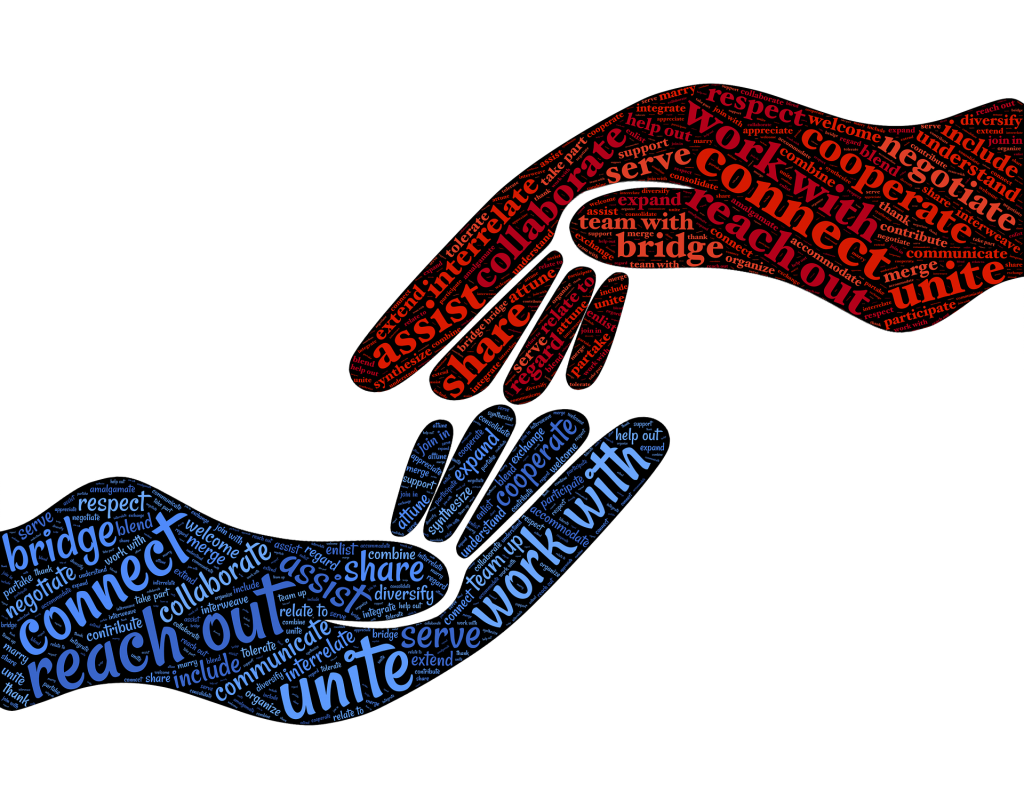
The role of the 'buddy' involves performing a range of tasks aimed at supporting and adapting the new employee. Firstly, the mentor is responsible for introducing the newcomer to the corporate culture and values of the company, explaining the unwritten rules of behavior and interaction between departments. Secondly, the Buddy helps master work processes, demonstrates how to use internal tools and resources, and provides practical advice for effective task execution. The mentor also monitors the comfort of the new employee, answers their questions, and provides emotional support. In many companies, the Buddy's duties include organizing meetings with colleagues, introducing team members, and aiding in social integration. Importantly, the mentor’s role does not imply control or performance evaluation of the new employee – it focuses on support, assistance, and knowledge transfer. The Buddy should be accessible, patient, and communicative, able to listen and provide advice in an understandable form. A successful mentor should also ensure trust and confidentiality, creating a safe space for the newcomer where they can openly discuss difficulties and receive necessary help.
Benefits of the Buddy System for the company

The Buddy System offers companies numerous advantages. Firstly, it accelerates the adaptation process of new employees, allowing them to become productive and efficient in task execution faster. Secondly, the system reduces the risk of mistakes that may occur due to unfamiliarity with internal processes or disorientation in the company structure. The Buddy System also contributes to the formation of a cohesive team and improves corporate culture since support and mentorship strengthen relationships among employees. Furthermore, the mentoring program helps reduce employee turnover, as newcomers who feel cared for and supported are more likely to stay in the company long-term. The Buddy System also enhances employee motivation and fosters the development of internal leadership skills, as mentors gain opportunities to refine their communication and knowledge-transfer skills. Thus, the mentorship system becomes a tool not only for the adaptation of new employees but also for strengthening the entire organizational structure and increasing the overall efficiency of the company.
Benefits of the Buddy System for the new employee

For the new employee, the Buddy System is a source of support and assistance at every stage of adaptation. The newcomer receives clear guidance on task execution, becomes familiar with the internal processes and resources of the company more quickly. The Buddy helps understand the corporate culture, social rules, and traditions, greatly facilitating integration into the team. The mentorship system also reduces levels of stress and uncertainty, as the new employee always has someone to turn to for advice or support. Additionally, the Buddy System fosters professional development, as the mentor shares practical experience and knowledge, aiding the newcomer in mastering professional skills more swiftly. Thanks to such support, the employee feels confident, more motivated to fulfill their duties, and adapts more easily to changes at work. The Buddy System also helps build trust in the company and its team, as the employee feels that their development and comfort are important to the organization, increasing their loyalty and desire to remain in the company for a longer period.

Read also