Russia's Economy Under Strain: How $35 Oil Threatens the State Budget

Russia's Economy Under Strain: How $35 Oil Threatens the State Budget
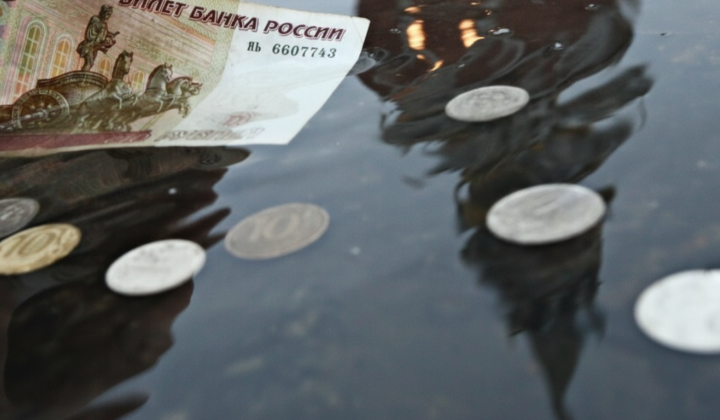
According to ХВИЛЯ: A combination of falling oil prices to $35-37 per barrel, reduced energy exports, and soaring military spending is placing severe pressure on Russia's economy and federal budget. This is occurring against a backdrop of a significant budget deficit, which reached 5.7 trillion rubles in 2025. Forecasts indicate that by 2026, revenue from energy sales will account for just 22% of all budget income, a stark decline from its historical dominance. This shift highlights the country's growing fiscal vulnerability as it navigates international sanctions and a costly war.
Military Spending and Economic Hardships
Military expenditure remains the primary budget outlay, with over 40% of all federal spending directed toward security and defense. In the first nine months of 2025, these costs hit 11.8 trillion rubles, equating to daily war spending of 43.4 billion rubles. Furthermore, 44% of all federal tax revenue is now allocated to military needs, underscoring the state's overwhelming financial commitment to its war effort.
Simultaneously, Russian businesses face severe difficulties. Approximately one-third of entrepreneurs predict they will have to close their businesses within the next six months. Banks are rejecting 90% of consumer loan applications, and cash loan issuance has fallen to a six-year low, signaling a sharp decline in public purchasing power. In 2025, only 18.23 million loans were issued-a drop of 40% in number and 41% in volume compared to the previous year.
Amid the oil price slump, Russia is forced to store around 140 million barrels of unsold crude on tankers. India has announced a 28% cut in purchases of Russian oil, and Prime Minister Modi has agreed to stop buying it altogether. This further jeopardizes budget revenues, potentially leading to a shortfall of about 3 trillion rubles in oil and gas income.
In search of alternative revenue streams, Russia's Finance Ministry has proposed legalizing online casinos, hoping to generate roughly 100 billion rubles. However, this is unlikely to solve the economy's core problems. The National Welfare Fund has dwindled to approximately $50 billion, revealing the instability of the financial system. While increased environmental levies across various sectors are planned for 2026, it remains unclear if they can offset the mounting losses.
In summary, the convergence of low oil prices, rampant military spending, and domestic economic hardship presents a profound challenge to Russia's fiscal stability. A clear trend of shrinking revenues threatens to further destabilize the economy.
The situation in the Russian economy indicates the country is confronting a complex set of problems with potential long-term consequences. The decline in oil prices, a critical revenue source, combined with escalating military costs, is undermining financial stability.
In this context, it is crucial to monitor the Russian government's next steps in seeking alternative income sources and potential shifts in economic policy. These moves will likely impact the domestic situation and Russia's relations with international partners.

Read also