Ukrainian Club Tops European Rankings for Youth Player Trust, According to CIES Study

Youth Player Development in Football
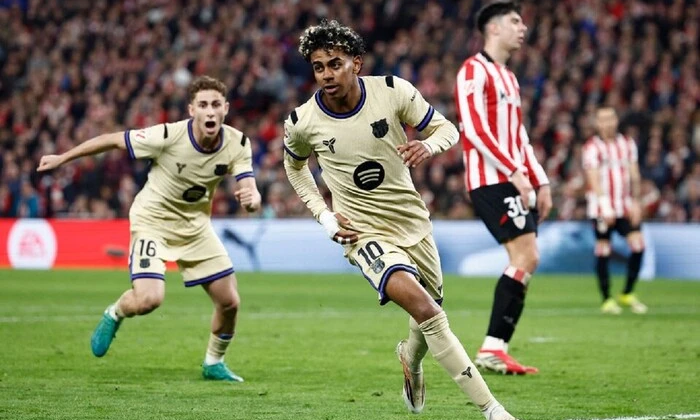
According to Главком: The CIES Football Observatory has released a new study analyzing the use of players under the age of 21 across various football leagues. The data reveals that Norwegian club 'Nordsjælland' leads all European clubs in trusting youth, with 44.7% of its total playing time over the last five years allocated to this age group. Among the top European leagues, 'Barcelona' is the leader, giving young players 20.7% of available minutes on the pitch.
Within Ukraine, the club 'Rukh' stands out, providing 27.7% of playing time to footballers under 21. Kyiv's 'Dynamo' (13.4%) and 'Karpaty' (14.9%) also made the top three among Ukrainian teams. This data points to a growing trend of integrating youth into professional football in Ukraine, a strategy that can build squad depth and financial sustainability.
World Cup 2026 Qualifying
In related national team news, Ukraine's squad suffered a setback, losing 1:3 to Sweden in a semi-final playoff match for the 2026 FIFA World Cup. Ponomarenko scored for Ukraine in the 90+1st minute, while Sweden's Jokeres netted a hat-trick with goals in the 6th, 51st, and 72nd minutes.
The upcoming 2026 World Cup is already drawing significant attention from the global football community. Qualification for the tournament will be granted to the top two teams from each group, plus the eight best third-placed national sides from the group stage. The groups formed for this championship are as follows:
- Group A: Mexico, South Africa, South Korea, Czech Republic.
- Group B: Canada, Bosnia and Herzegovina, Qatar, Switzerland.
- Group C: Brazil, Morocco, Haiti, Scotland.
- Group D: USA, Paraguay, Australia, Turkey.
- Group E: Germany, Curaçao, Ivory Coast, Ecuador.
- Group F: Netherlands, Japan, Sweden, Tunisia.
- Group G: Belgium, Egypt, Iran, New Zealand.
- Group H: Spain, Cape Verde, Saudi Arabia, Uruguay.
- Group I: France, Senegal, Iraq, Norway.
- Group J: Argentina, Algeria, Austria, Jordan.
- Group K: Portugal, DR Congo, Uzbekistan, Colombia.
- Group L: England, Croatia, Ghana, Panama.
These findings underscore the critical importance of nurturing young talent in football, both for club success and preparation for major international tournaments. Investing in youth development is often seen as a key long-term strategy for national teams aiming to improve their standing, as Ukraine seeks to do. The analysis of youth utilization offers insights into how clubs are planning for the future and which potential new stars might emerge on the global stage.
As the youth development strategy gains traction in Ukrainian football, it's essential to consider how this might impact the national team's performance. Following a recent setback against Sweden, where Ukraine slipped to a 1:3 defeat, the focus now shifts to building a stronger squad for future competitions. For an in-depth look at how these developments correlate with Ukraine's position in the global football landscape, check out our article on the country's recent drop in the FIFA rankings.

Read also