Oil prices changed against the backdrop of events in the Middle East

According to hvylya.net: Futures for Brent crude fell by 66 cents, or 0.97%, to $67.11 a barrel before the expiration of the August contract. A more active September contract traded at $65.97, down 83 cents. American West Texas Intermediate oil fell by 94 cents, or 1.43%, to $64.58 a barrel.
Oil prices fell by 1% on Monday, June 30, due to a decrease in geopolitical risks in the Middle East and the prospect of another increase in OPEC+ production in August, which improved supply forecasts. This was reported by Reuters.
The war that began on June 13 with Israel's attack on Iran's nuclear facilities caused Brent prices to spike above $80 a barrel after the U.S. struck Iranian nuclear sites, followed by a sharp drop to $67 after President Donald Trump announced a ceasefire between Iran and Israel.
Expected increase in production and low level of active oil rigs
Additional pressure on the market comes from information from four OPEC+ delegates who reported that the group is preparing to increase production by 411,000 barrels per day in August, which will be a continuation of similar increases in May, June, and July. OPEC+ plans to hold a meeting on July 6, and this will be the fifth monthly increase since the group began reversing production cuts in April.
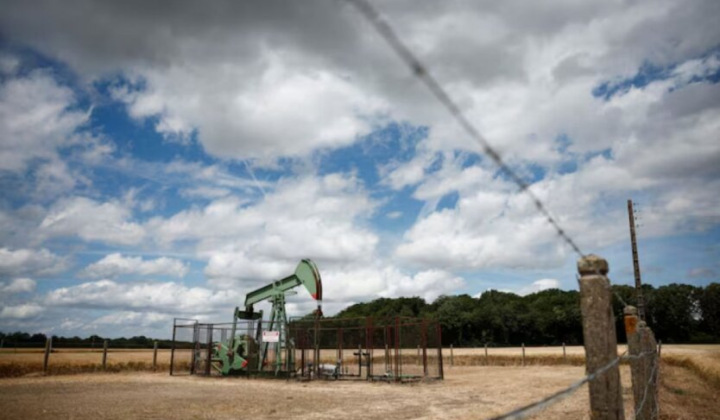
In the U.S., the number of active oil rigs, which is an indicator of future production, decreased by six to 432 last week, reaching the lowest level since October 2021, according to Baker Hughes.
Global oil markets are once again experiencing instability as oil prices fell due to a decrease in geopolitical risks and the announcement of an increase in OPEC+ production. The price drop is linked to the announcement of a possible increase in oil production, which has lowered supply forecasts and pushed oil prices below.

Read also