Chinese Expansion Expected to Trigger DRAM Price Collapse by 2027

DRAM Market at a Turning Point
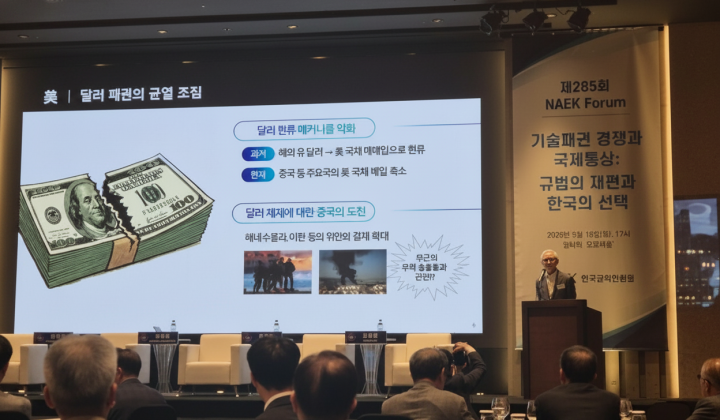
According to Главком: The global DRAM market is approaching a critical inflection point. According to forecasts, a significant drop in computer memory prices is set to begin in the second half of 2027. This prediction comes from Kye-hyun Kyung, former head of Samsung Electronics' semiconductor division (DS Group) and current executive advisor. The primary driver behind the anticipated market disruption is the boom in generative artificial intelligence.
Shifts in Market Dynamics
In response to this trend, Samsung and SK Hynix factories have redirected their production lines toward HBM (high-bandwidth memory) used in AI accelerators. Meanwhile, the pace of DRAM price increases in retail channels has started to slow, signaling a shift in market dynamics. Experts point to China's aggressive expansion of manufacturing capacity as the main trigger for the upcoming price decline.
- Chinese plants CXMT and Jiahe Jinwei are investing billions of dollars in producing cutting-edge DDR5 chips.
- Chinese engineers are leveraging previous-generation deep ultraviolet (DUV) lithography equipment to manufacture DRAM memory.
Analysts predict that within a year, the market could face a supply surplus, potentially leading to substantial price drops. Kye-hyun Kyung also highlighted the risk of an AI bubble burst, which could negatively impact demand.
“If global tech giants do not see real profits and returns on capital investments from AI projects in the near future, their boards will start sharply cutting hardware procurement budgets. This would trigger a sudden and massive drop in memory demand” - Kye-hyun Kyung.
In conclusion, the world's largest technology corporations (Mega Cap) are spending astronomical sums on data center hardware, yet the financial returns from deploying AI software for business remain low. Given these trends, the DRAM market is likely to return to a boom-and-bust cycle every 2-3 years, reflecting ongoing instability in this sector.
The situation in the DRAM market mirrors broader trends in the tech industry, where surging demand for new technologies like artificial intelligence can lead to cyclical price and supply fluctuations. China's investments in new chip production and technologies could reshape the competitive landscape, posing fresh challenges for global market players. This may influence corporate strategies and investment decisions in the years ahead.
As the global DRAM market braces for potential upheaval, it's essential to consider the broader economic landscape. The recent surge in industrial profits in China, driven by the AI boom and energy challenges, illustrates how interconnected these sectors are. For a deeper understanding of how these factors are influencing industrial growth and contributing to market shifts, explore our article on China's industrial profit surge.

Read also