Why Home Thermometers and Weather Stations Give Different Readings

How Temperature Measurement Works and Why It Varies
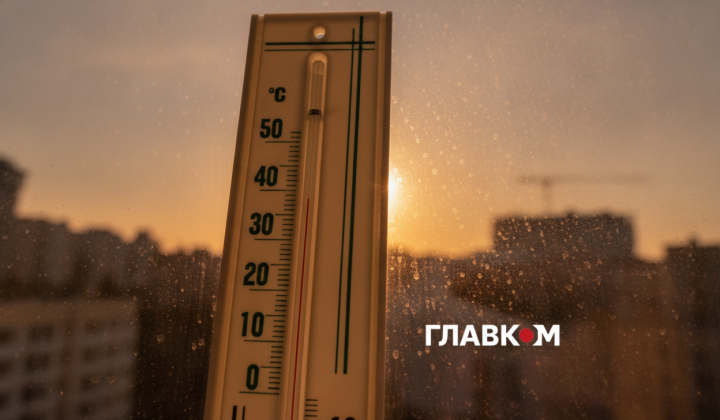
According to Главком: The temperature you see on your home thermometer often doesn't match the official readings from weather stations. This isn't a mistake-it's due to physical factors like heat radiating from surfaces such as asphalt, concrete, walls, and metal window sills. On a sunny day, these materials heat up much faster than the air and then release that heat, skewing your thermometer's reading and making it less accurate.
Professional meteorologists rely on the Stevenson screen, a standardized measurement device invented in 1864 by Thomas Stevenson. This design has remained largely unchanged for over 150 years because it ensures consistent, reliable temperature data. The screen is placed in an open area, far from buildings and trees, to eliminate any external interference. Key features include:
- Thermometers are positioned exactly 2 meters above the ground;
- The door of the screen faces north to avoid direct sunlight;
- The entire structure is painted white to reflect heat;
- Slatted louvers allow for proper air circulation;
- A double roof with an air gap helps maintain measurement accuracy.
Inside the Stevenson screen, you'll find a dry-bulb thermometer and a wet-bulb thermometer (for humidity), along with maximum and minimum thermometers. Modern automated weather stations now use electronic sensors for even greater precision. All stations operate under strict international standards set by the World Meteorological Organization, and their instruments are regularly tested and calibrated.
How Weather Affects Your Perception of Temperature
Your body's sense of heat isn't just about the number on a thermometer-humidity and wind play a huge role in how hot or cold you actually feel. In Ukraine, temperatures are expected to rise starting Sunday, June 28. Overnight lows will range from +15 to +22 degrees Celsius, while daytime highs will hit +27 to +34 degrees. The western regions will see the most extreme heat, with some areas reaching up to +35 degrees. In the east, daytime highs will be milder, around +23 to +28 degrees.
Accurate temperature measurement is critical for meteorology-not just for reliable weather forecasts, but also for public safety during extreme heat or cold events.
As temperatures climb across Ukraine, it's important to look beyond your home thermometer. Factors like humidity and wind can dramatically change how the heat feels, and understanding this can help you better prepare for shifting weather conditions.
As the weather continues to fluctuate, understanding the factors behind temperature discrepancies becomes increasingly important. Recent reports show that three temperature records were broken in Kyiv, highlighting the need for accurate measurements. This context underscores the significance of reliable instruments like the Stevenson screen, which mitigate the effects of environmental variables on temperature readings.

Read also