Economist Explains Why Ukraine Cannot Control Domestic Food Prices


How the Global Economy Influences Ukraine's Domestic Prices
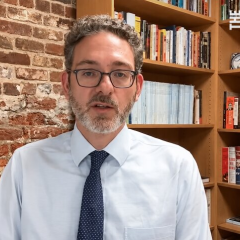
According to ХВИЛЯ: Economist Oleh Ustenko has clarified that Ukraine's ability to control domestic food prices is constrained by its integration into the global economy and its obligations to international bodies, which leads to price alignment with global levels. Ukraine's membership in the World Trade Organization (WTO) and its progression toward European Union integration significantly shape the country's pricing policies, limiting government intervention.
Ukraine operates under WTO rules, which prohibit export restrictions and export duties on agricultural products. Oleh Ustenko noted that
"export restrictions are prohibited there. That means you do not have the right to impose export duties simply because you want to supply your domestic market. That scheme simply doesn't work."
Consequently, Ukrainian producers are free to sell their goods on the global market without limitations, a factor that directly impacts domestic pricing.
Pricing Policy and International Commitments
Ustenko further explained that
"When you are embedded in the global economy and have the opportunity to sell your product on the world market for, say, 100 hryvnias, while the domestic price could be 50 hryvnias, you will not sell for 50 hryvnias because you have the alternative to export and sell there."
This demonstrates that producers with access to international markets tend to set prices based on global benchmarks rather than local conditions.
Given these circumstances, Ukraine's economic policy must account for global trends and its binding international commitments, which influence the formation of domestic prices. Ustenko emphasizes that
"you do not have the right to limit export opportunities,"
highlighting the necessity of adhering to international norms to ensure stability in the agricultural sector and the domestic market.
Therefore, Ukraine's position on the international stage and its obligations to global organizations fundamentally shape its domestic pricing policy. Economic decisions based on global rules can aid Ukraine's integration into the world economy but simultaneously present challenges for the internal market. For context, this situation is common for developing economies that are heavily reliant on agricultural exports and bound by free-trade agreements. It is crucial for Ukrainian producers and the government to consider these factors when formulating pricing policies and supporting the agricultural sector.
Understanding the broader implications of global market dynamics is essential for grasping the complexities of Ukraine's food pricing. In a related analysis, we explore how a global shortage is influencing food costs for Ukrainians, highlighting the interconnectedness of local prices and international supply chains. This context further illustrates the challenges faced by domestic producers in a fluctuating global economy.

Read also