EU Expansion: Four Member States Oppose Fast-Tracking Ukraine's Membership

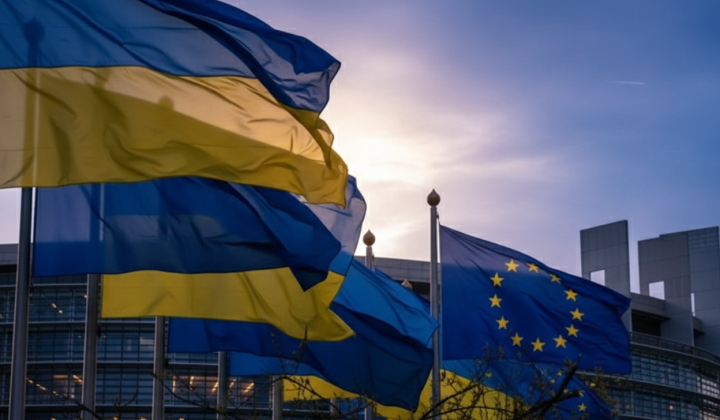
The Stalled Path to EU Membership for Ukraine
According to Главком: France, Germany, Italy, and the Netherlands have voiced opposition to accelerating Ukraine's accession to the European Union. The issue is set for discussion ahead of a summit in Nicosia, where there is a possibility the topic of EU enlargement may be omitted from the agenda altogether. While European Commission President Ursula von der Leyen continues to actively champion the expansion cause, the Commission itself cannot provide Ukraine with a concrete date for membership. This debate occurs against the backdrop of Ukraine's ongoing conflict, which has intensified its push for closer ties with Europe.
Reasons for EU Member States' Hesitation
According to information from diplomatic sources, several factors explain the reluctance of these EU members:
- Concerns over strengthening populist movements within EU states.
- The risk of holding complex referendums, particularly in France.
- Negative experiences with Hungary, which is viewed as a problematic partner.
"Those same semi-populist arguments... we are likely to hear about the Ukrainians as well." - A diplomat
This reflects a broader anxiety that Ukraine's potential accession could lead to political complications within the EU. As one source reported, "We do not want to weaken [President Volodymyr] Zelenskyy... but the majority of states have no appetite for these debates." This indicates that EU member states are attempting to avoid potentially contentious situations linked to enlargement.
In contrast, Sweden and Denmark are insisting that negotiations on Ukraine's potential membership conclude by the end of next year. This suggests a drive by some nations to speed up the process, despite the widespread doubts and resistance from other EU members. Consequently, the situation surrounding Ukraine's EU bid remains complex and requires further discussion and negotiation.
The debate over Ukraine's potential accession underscores the intricate political processes within the EU, where divergent opinions among member states complicate reaching a unified position. The stances of countries advocating for an accelerated process may signal a desire to support Ukraine in its Euro-integration aspirations. However, existing fears regarding internal politics within EU nations carry risks for the Union's stability. Therefore, the issue of EU expansion demands careful analysis and discussion to avoid potential negative consequences.
As the debate surrounding Ukraine's EU membership unfolds, it is essential to understand the broader implications of these developments. The hesitance of certain member states raises questions about the future of EU expansion and its potential challenges. For a deeper insight into why Ukraine's bid may not be prioritized in upcoming discussions, explore our analysis on the stalled expansion efforts.

Read also