Russia's Energy Export Revenue Set to Halve, Raising Economic Concerns

Russia's Economic Challenges Through 2026
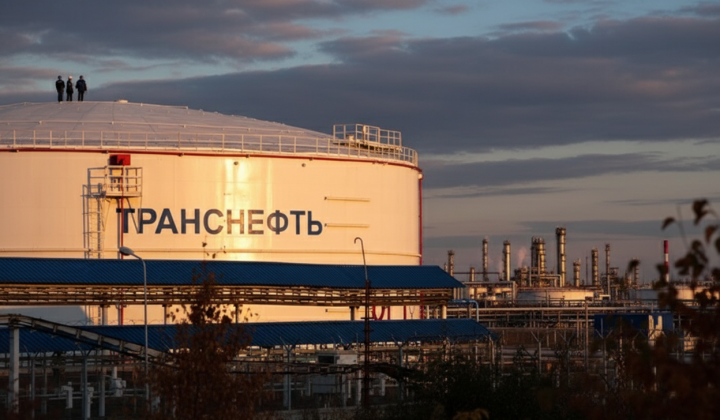
According to Главком: Russia's federal budget is projected to see a sharp decline in the share of revenue from energy exports, which could fall to around 22% by 2026. This marks a dramatic drop from the 40-50% share these revenues historically represented. The trend is already visible, with oil export earnings for 2025 expected to be roughly 20% lower than in 2024, signaling severe economic headwinds for the country. This shift comes as Western sanctions and a redirection of trade flows continue to reshape global energy markets.
Compounding these fiscal pressures, Russia is now directing approximately 40% of all state expenditures toward defense and security, indicating a significant militarization of its budget. A critical vulnerability is the Russian military-industrial complex's reliance on China, which supplies up to 87% of its critical goods. This dependence poses a substantial risk to Russia's economic stability and could ultimately impact its defense capabilities.
Financial Reserves and the Private Sector
Furthermore, Russia's National Wealth Fund has dwindled to about 42 billion euros, nearly half its size at the start of the full-scale war, limiting the government's financial cushion. The economic outlook is further clouded by the European Commission's plan to propose a full EU embargo on Russian oil by the end of 2026, which would intensify pressure on Moscow's key revenue stream.
In the private sector, Russian oil giant Lukoil has reached a preliminary agreement to sell its foreign assets to the US investment firm Carlyle. While this demonstrates corporate adaptation to the new economic reality, the overall forecast for energy export income remains bleak. The Russian economy, long dependent on resource exports, faces a period of profound adjustment.
The combination of shrinking energy revenues and growing import dependency for critical goods could significantly undermine Russia's economic stability.
Rising military spending amid falling income creates additional risks for the country, potentially leading to broader socio-economic problems. The planned EU move away from Russian oil only deepens these challenges, highlighting the urgent need for structural changes in Russia's economy and its foreign economic ties.

Read also