Drones Strike Russia's Largest Oil Refinery, Located 2,500 km from Ukraine

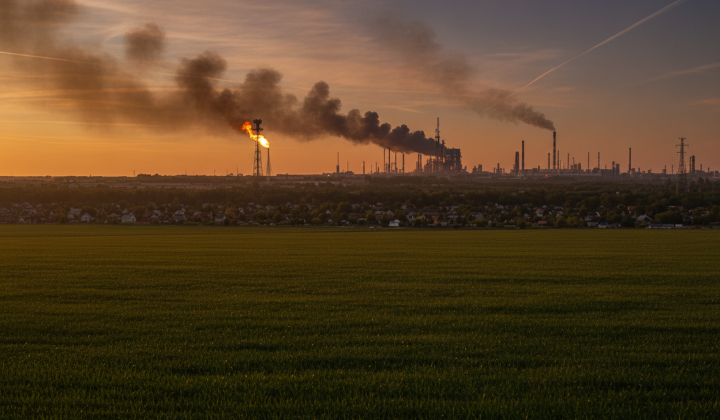
Omsk Refinery Hit in Drone Attack
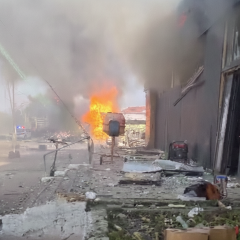
According to Главком: On July 6, unmanned aerial vehicles targeted the Omsk Oil Refinery, one of Russia's largest petroleum processing facilities. According to OSINT data, the strike hit the primary crude processing unit ELOU-AVT-11, which has an annual capacity of 8.4 million tons. Omsk Oblast Governor Vitaliy Khotsenko confirmed the drone attack in the city's northern industrial zone, reporting that the facility's technological columns were struck. A fire broke out on the refinery grounds.
Owned by Gazprom Neft, the Omsk Refinery is Russia's largest oil processing plant, handling over 22 million tons of crude annually. It produces more than 50 types of petroleum products and has achieved nearly 100% refining depth. The plant's modernization was completed in 2025. Omsk lies more than 2,500 kilometers from the Ukrainian border, making this one of the deepest strikes into Russian territory since the conflict began.
Damage Scale and Implications
Russian authorities have not released official information on the extent of the damage caused by the attack. The incident has drawn significant attention due to the Omsk Refinery's strategic importance and its role in the country's energy sector.
This strike on the Omsk facility signals a potential escalation in the conflict and the use of new tactical approaches in warfare. Given the refinery's critical role in the Russian economy, such incidents could disrupt energy market stability and regional fuel supplies. Analysts note that events of this nature may have far-reaching consequences for the nation's energy security and overall economic health.
The recent drone strike on the Omsk Refinery follows a series of similar attacks targeting key oil facilities in Russia, including incidents in the Rostov region and Moscow. These events highlight a concerning trend in the conflict, as tactical shifts may be reshaping the dynamics of warfare and impacting the stability of the energy sector across the region.

Read also