A Calf Has Been Born to the World's Smallest Wild Bull at Chester Zoo

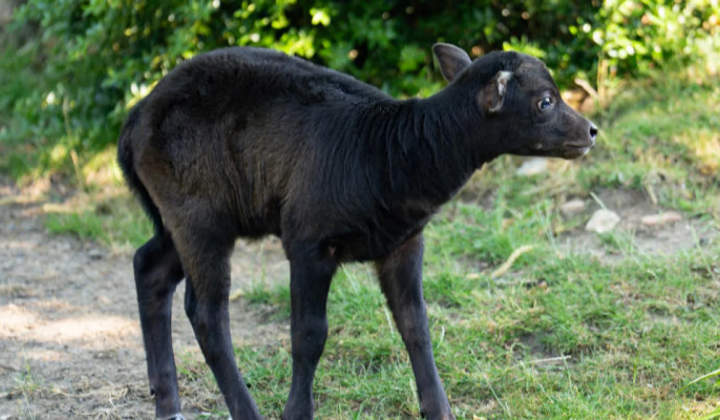
Rare Arrival at Chester Zoo
According to НВ — Техно: A calf from a vanishing cattle species has been born in the UK. The news about the birth of an anoa-the smallest wild bull in the world-was released by Chester Zoo on 3 August at 11:30. This newborn female weighed in at just seven kilograms and stood around half a metre high. At two weeks old, she made her first public appearance outdoors, supervised by keepers, and quickly became the centre of attention among visitors.
The Threats Facing Anoa
Her mother, Darcie, had been pregnant for ten months. Even mature anoas seldom reach one metre in height, which makes them a particularly unusual species. These animals live only on the Indonesian island of Sulawesi, and fewer than 2,500 of them remain in the wild.
The loss of native forests and swamps, caused by mining and farming, is a serious danger to the species. Poachers also benefit from cleared land because it makes tracking anoa easier.
"Watching this little creature taking her very first steps outside is a genuine privilege-only a very few people ever get to experience such a moment."
Emma Evison, zoo spokesperson
This event underlines why safeguarding rare species matters. Amy Humphries, another zoo spokesperson, commented: "Our aim is to keep the exceptional genetic heritage of these extraordinary animals from disappearing forever." Across the world, breeding programmes are being run in secure facilities to preserve the species for future generations.
This birth is not just a milestone for British zoo-goers; it also contributes to international efforts to protect endangered wildlife. It reinforces the role of zoos as centres for breeding rare creatures and helps draw attention to the pressures facing wild animals.
Following the progress of newborn anoa calves may play an important part in getting the public involved in nature conservation and boosting support for environmental initiatives. Given the species' dwindling numbers, every new calf represents a small but meaningful win for conservation.

Read also