Trump's Second Term: White House Turmoil and a Strategy-Free War with Iran

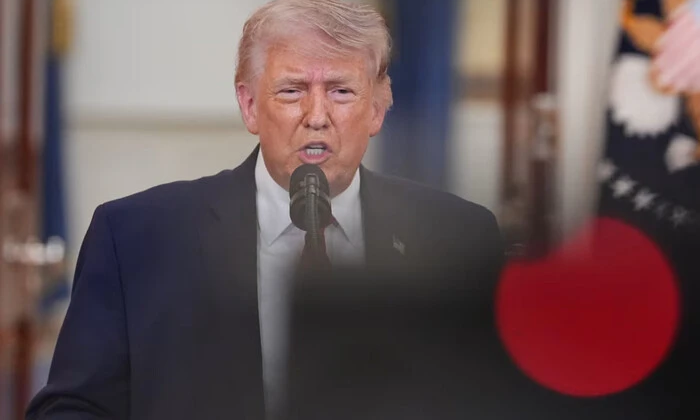
The Political Landscape of Donald Trump's Second Term
According to Главком: Beginning in 2026, Donald Trump's second term has been characterized by a complex political environment, marked by institutional dysfunction within the administration, conflict with Iran, and significant internal divisions. Analysis of his policy approach reveals chaotic actions and the dismissal of experts, which has alarmed the policy community. This period reflects a significant departure from traditional diplomatic and administrative norms.
The Iran Conflict and Its Consequences
The United States entered a war with Iran without a clear strategic plan. In February 2026, Iran's nuclear program was cited as the casus belli, yet by June, Trump claimed the program had been destroyed. A notable aspect of the administration's policy was its decision to lift sanctions on some Iranian oil exports even while conducting bombing campaigns. This contradictory approach created confusion among allies and adversaries alike.
Prior to the war's outbreak, the administration had downsized the State Department's Middle East bureau, a move that contributed to the subsequent crisis management failures. Experts in oil and gas were also fired, which critically undermined the National Security Council's capacity.
The Office of Government Efficiency conducted arbitrary dismissals and rehirings, further destabilizing the administration's operations. Trump displayed indifference to the final outcome of negotiations with Tehran in Islamabad, stating that the US did not consider signing a deal with Iran to be a critical necessity.
“A fair deal is 99% about Iran completely abandoning nuclear weapons.”
Demands on Iran were constantly shifting-from calls for capitulation to advocating for regime change. Trump's contradictory statements regarding the Strait of Hormuz included:
- calls to form an international coalition,
- a willingness to act unilaterally,
- and the suggestion that the path forward would simply open up on its own.
Trump also vacillated between a slogan of 'no more wars' and threats of military force against Venezuela or Greenland.
Despite the internal chaos, rational barriers remained, such as independent courts, Congress, and state governments, which acted to constrain the administration's actions. Overall, Trump's second term presents a complex picture of U.S. domestic and foreign policy, accompanied by numerous challenges on the international stage.
The situation within the Trump administration points to significant difficulties in governance and the formulation of coherent foreign policy, which could have long-term consequences for international relations. The conflicts with Iran and internal crises may affect America's global standing and reflect a broader political dynamic requiring careful analysis by experts and the public.
As the conflict with Iran escalates, the implications for Trump's presidency become increasingly dire. The potential fallout from this war could significantly impact his administration's stability and future political prospects, highlighting the urgent need for a coherent strategy amidst the chaos.

Read also