EU Sanctions Force Georgia's Sole Oil Refinery to Halt Russian Crude Imports

Shifting Away from Russian Oil
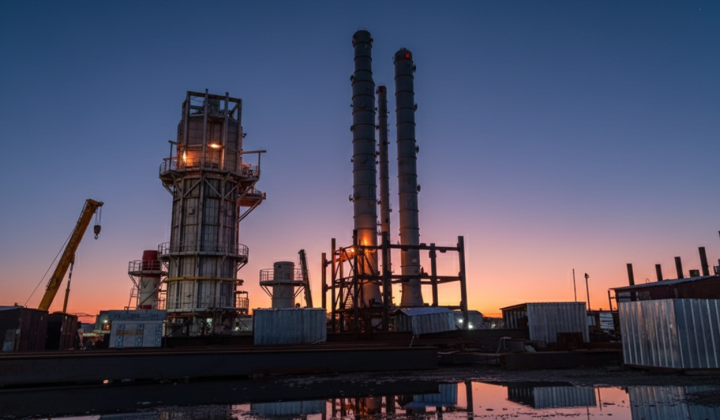
According to Главком: Georgia's only oil refinery, located in the port of Kulevi, has decided to completely cease using Russian crude oil. This move is a direct response to the threat of sanctions from the European Union, which could target the terminal. The company plans to replace Russian feedstock with supplies from Turkmenistan, and later from Kazakhstan. As David Potskhveria notes,
“Our goal is to fully replace the existing Russian oil”
. This decision aligns with broader Western efforts to reduce the flow of funds to Russia's war effort.
Production Capacity and Logistical Hurdles
The refinery has an annual capacity of approximately 1.2 million tonnes. Its primary outputs include:
- diesel
- fuel oil
- other petroleum products
However, a full switch to alternative feedstocks is being hampered by logistical difficulties, particularly delays in organizing the transit of Turkmen oil through Azerbaijan.
Furthermore, the Kulevi refinery itself risks being added to the EU sanctions list for processing Russian oil, as current restrictions prohibit the import of petroleum products made from Russian feedstock. Recently, Russian oil producers have warned foreign buyers of potential supply stoppages from key Baltic Sea ports, a consequence of Ukrainian drone attacks on Russia's energy infrastructure. These attacks caused critical damage to terminals in Ust-Luga and Primorsk, which will also impact global oil supplies. The company's strategic goal remains accessing the European market, but achieving this requires overcoming the existing logistical challenges.
The abandonment of Russian oil signals a shift in Georgia's energy policy, aiming to reduce dependence on Russian energy resources and ensure market stability. This could become a significant step within the context of European efforts to diversify energy sources and lessen energy reliance on Russia, especially amid rising regional tensions. For these plans to succeed, however, Georgia must resolve the logistical problems arising from the transition to new oil supplies.
The shift away from Russian crude oil by Georgia's only refinery comes amid increasing tensions in the region. Recently, Russian officials have warned that oil exports could be halted due to drone strikes impacting key Baltic Sea ports. This situation underscores the urgency for countries like Georgia to secure alternative energy sources and stabilize their markets in light of geopolitical uncertainties.

Read also