Expert on HOA in New Buildings: Why Developers Will Block the Creation of Communities

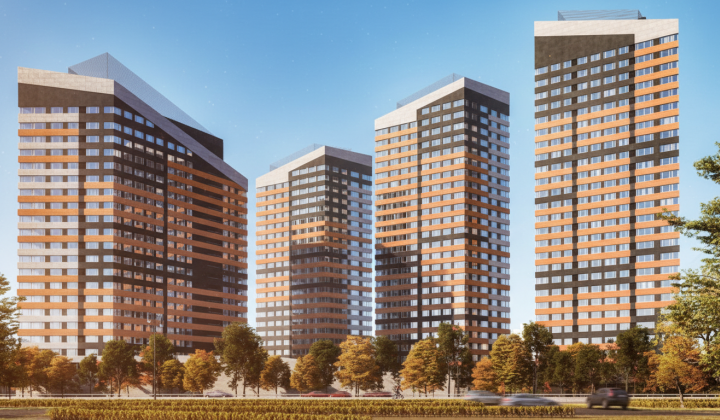
Problems of Creating HOAs in New Buildings
According to ХВИЛЯ: Expert Olga Rublyova discussed the issues of creating homeowners associations (HOAs) in new buildings during a broadcast with political scientist Yuri Romanenko, highlighting the difficulties residents face due to opposition from developers, the importance of independent technical audits, and psychological barriers in the functioning of buildings.
It is critically important for developers to maintain control over the building for the first two to three years while the warranty period is in effect. This allows them to avoid liability for defects that may arise during operation.
“Having your own management company guarantees that defect reports will not be filed, and residents will not know that the pumping station is operating on its last breath or that the roof's waterproofing was done improperly.” - Olga Rublyova
In the conditions of war, many apartments remain empty, and maintenance fees are not paid. This leads to the situation where the 10-15% of residents who remain take on the entire burden of maintaining the building. “This creates enormous social tension within the building... And if this active minority burns out or gives up, the building will begin to rapidly degrade,” emphasized the expert.
Residents' Initiative Group and Their Challenges
When an initiative group of residents tries to create an HOA, they often face unpleasant surprises. “On paper, everything looks nice, but in the basements - water, in the electric rooms - fire safety violations. And this is where the football starts: the developer says that you broke it yourself, while the residents demand corrections,” said Rublyova.
She also advised apartment owners not to delay the creation of an HOA and to hire an independent technical audit. “It costs money, but it's pennies compared to how much you will spend later on repairs out of your own pocket. It is important to document all defects while the developer has not yet liquidated the legal entity,” the expert noted.
Olga Rublyova also drew attention to misunderstandings among residents: “People confuse an apartment building with a hotel. In a hotel, you are a guest, but in a building, you are an owner. This means that the elevator belongs to you just as much as your sofa. If you do not want to participate in management, someone else will do it for you, and it is not guaranteed that it will be fair or professional.”
The condition of the building directly affects the capitalization of apartments. “If you have a broken entrance and a smelly elevator, you will never sell your apartment at market price, no matter how golden the renovation you made inside. People save 200 hryvnias on fees but lose 10 thousand dollars when selling their property,” concluded Olga Rublyova.
Problems with creating HOAs in new buildings underscore the importance of active participation by residents in managing their housing, especially in unstable conditions. The lack of proper control and accountability by developers can lead to serious consequences for the condition of the buildings and the well-being of residents. Given the current economic conditions, it is important to find optimal solutions for maintaining residential complexes, which include technical audits and conscious management of housing.

Read also