Bulgaria’s Former President Radev Takes Over as Prime Minister After Election Victory

New Bulgarian Government Approved by Parliament
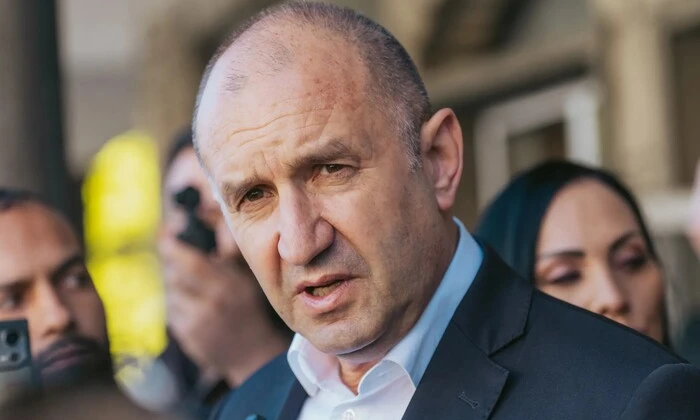
According to Главком: On May 8, Bulgaria’s National Assembly voted to approve a new government led by Rumen Radev, who previously stepped down from the presidency. His party, 'Progressive Bulgaria,' won the elections held on April 19, securing 133 parliamentary seats. The vote to appoint Radev as prime minister saw 122 lawmakers in favor, 70 against, and 36 abstentions. The minimum threshold required for approval was 121 votes.
Composition of the New Cabinet
Radev’s new cabinet includes 18 ministers and 4 deputy prime ministers. Key appointments feature:
- Velislava Petrova-Chamova as Minister of Foreign Affairs
- Dimitar Stoyanov as Minister of Defense
- Mihaela Dotsova as Speaker of Parliament, tasked with coordinating between the executive and legislative branches
Most positions in the new administration have been filled by technocrats loyal to the former president, along with several former military officials.
Rumen Radev, who served as Bulgaria’s president from 2017 to 2026, has stated his intention to keep the country from being drawn into military conflicts.
A 'constructive approach' will be a central focus of the new government’s policies, underscoring its commitment to regional stability.
Radev has also previously described the occupied Crimea as 'Russian.' His appointment as prime minister signals a continuation of policies aimed at stability and peaceful conflict resolution in the region. With a cabinet built around experts and technocrats, the government could play a key role in strengthening Bulgaria’s domestic political landscape.
Given the election results, the new government enjoys majority support in parliament, which could help advance planned reforms and bolster the country’s international relations.
As Rumen Radev steps into his role as prime minister, his administration's position on international military aid, particularly regarding Ukraine, is drawing attention. The recent election of a Euro-skeptic leader in Bulgaria raises questions about the future of such support. To understand the implications of Radev's policies on regional security and military cooperation, read more about the shifting political landscape in our detailed analysis here.

Read also