Ukraine's Power Grid Under Strain: Some Regions Receive Just 10% of Electricity

The State of Ukraine's Energy System
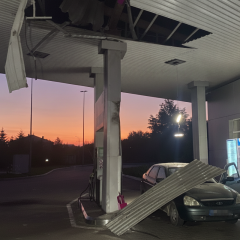
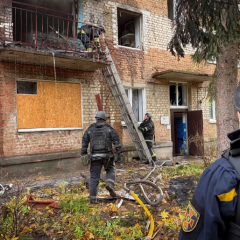
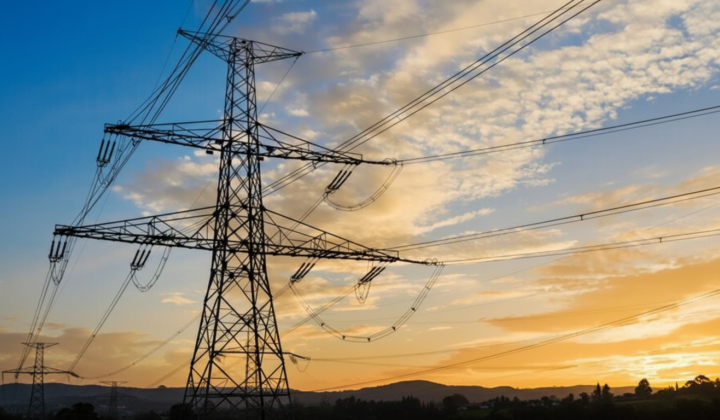
According to ХВИЛЯ: Ukraine's power grid remains in a critical condition following recent attacks. Energy expert Oleh Popenko notes that frontline and eastern regions have been hit the hardest. For instance, Zaporizhzhia Oblast has suffered substantial damage, with electricity generation and supply capacity slashed multiple times over after a massive bombardment.
The situation in Kherson Oblast is also dire, with a damaged thermal power plant (TPP) and energy supply reduced to a bare minimum. In major cities like Kyiv, Kharkiv, and Sumy, power availability fluctuates at just 20-30% of the population's needs. Oleh Popenko stressed that Kyiv's supply level is between 20 and 30%, as a continuous flow of electricity to residential buildings must be maintained.
Impact on the Regions
Furthermore, Cherkasy, Kirovohrad, and Vinnytsia Oblasts have also sustained significant losses, with their power supply levels dropping to around 20%. The situation is even worse in Poltava Oblast, which is receiving no more than 10-11% of its required energy volume. These widespread outages highlight the severe strain on national infrastructure from targeted strikes. Meanwhile, conditions are improving in western Ukraine and Zhytomyr Oblast due to sunny weather and proximity to the Rivne Nuclear Power Plant, which is easing the local supply constraints.
Consequently, Ukraine's energy system faces severe challenges, particularly in frontline and eastern regions where the level of electricity provision remains critically low.
The power supply situation in Ukraine underscores the consequences of military actions, which negatively impact infrastructure and energy security. The reduction in electricity generation, especially in affected regions, could lead to further social and economic problems, particularly during the cold season. At the same time, improvements in the west of the country point to potential solutions that could be implemented to stabilize the energy system as a whole.

Read also