EU Nears Approval of 20th Sanctions Package Targeting Russia

European Union Prepares New Round of Sanctions Against Russia
According to Главком: The European Union is moving toward final approval of its 20th package of sanctions against Russia. However, Hungary's stance on excluding Russian sports officials could delay the decision. A final agreement is planned after two more meetings of EU ambassadors in the Coreper II format, expected on Wednesday and likely on Friday.
EU High Representative Josep Borrell is pushing for the package to be ready by February 24, 2024, marking the fourth anniversary of Russia's full-scale invasion of Ukraine. He is also coordinating efforts with the United Kingdom. On Monday, EU ambassadors heard a report from the sanctions envoy David O'Sullivan, who is working with third countries to close loopholes for Russian oil tankers.
Key Elements of the New Sanctions Package
The sanctions package, presented by European Commission President Ursula von der Leyen, proposes tightening restrictions in the energy, finance, and trade sectors. Among the planned measures are:
- Expanded sanctions against the 'shadow fleet';
- New restrictions for banks;
- Additional trade bans.
The goal of these measures is to reduce Moscow's revenues and complicate sanctions evasion. These sanctions are part of a broader Western strategy to economically isolate Russia and limit its ability to wage war.
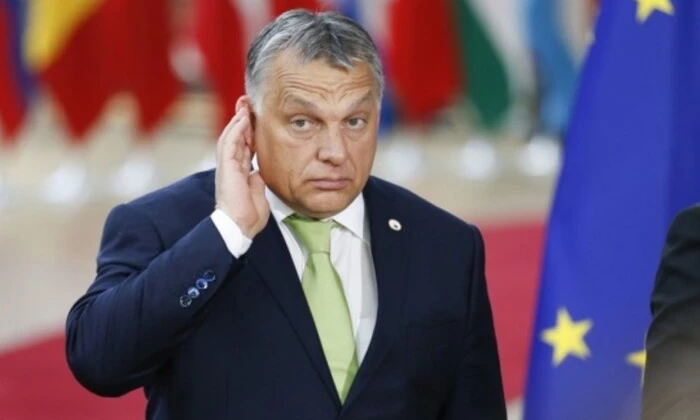
Hungary, led by Prime Minister Viktor Orbán, insists on removing leading Russian sports officials from the sanctions list. Orbán has stated he does not consider Russia a security threat to Europe, instead linking the main danger to his country to the policies of Brussels.
This new sanctions package is part of the European Union's strategy to diminish economic support for Russia in the context of the war in Ukraine. If adopted, the sanctions could significantly impact the Russian economy, particularly in the energy sector, which is key to funding military operations. At the same time, Hungary's position highlights internal EU divisions that could complicate allied unity on foreign policy and security matters.

Read also