EU Foreign Ministers Decide Against Extending Aspides Mission to Strait of Hormuz


EU Decision on Naval Operations
According to Главком: Following a meeting in Brussels, European Union foreign ministers have decided against altering the mandate of their naval missions in the Middle East. The EU's top diplomat, Kaja Kallas, confirmed the bloc will not extend its Aspides operation to include the Strait of Hormuz. This decision underscores a cautious European approach to regional conflicts.
The Aspides mission currently operates in the Red Sea. During their meeting, EU energy ministers also discussed the impact of the Middle East crisis on energy prices. EU Energy Commissioner Dan Jørgensen emphasized that reducing household utility costs for citizens remains a key priority.
Security Concerns in the Strait of Hormuz
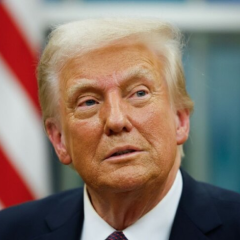
Separately, U.S. President Donald Trump expressed concern over security in the Strait of Hormuz, a vital shipping lane for crude oil from Saudi Arabia and Kuwait. He called for action, stating:
“It is entirely appropriate for the people who are the beneficiaries of the strait to help make sure nothing bad happens there.” – Donald Trump
Furthermore, an advisor to the commander of Iran's Islamic Revolutionary Guard Corps warned of potential attacks on vessels in the Strait of Hormuz, highlighting the region's volatility. The Strait is one of the world's most critical maritime chokepoints for global oil shipments.
The EU's choice not to modify its naval mandate reflects a preference for a measured strategy amidst growing security threats near the Strait of Hormuz. The decision also highlights the importance of a unified security and energy stability policy in responding to global challenges. Meanwhile, the statements from the U.S. and Iran point to a potential escalation of tensions, which could impact global energy markets and the broader geopolitical landscape.
As the EU maintains its cautious stance in the region, Trump's upcoming announcement regarding nations supporting the U.S. security mission in the Strait of Hormuz could further influence the geopolitical dynamics and security strategies in this vital area. Understanding the implications of such alliances is crucial for grasping the broader context of international responses to the ongoing tensions.

Read also