EU to Demand Russian Troop Withdrawal from Transnistria

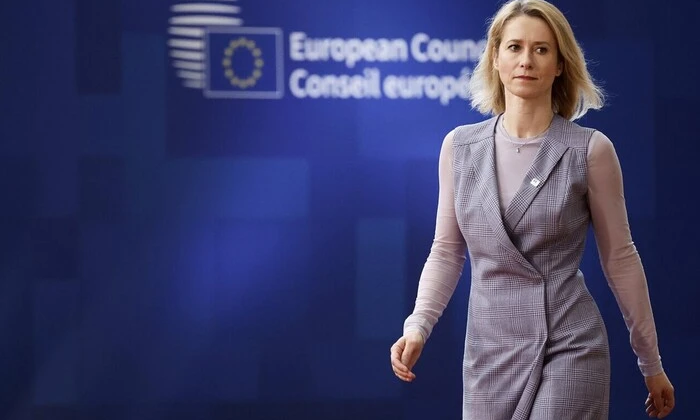
EU Foreign Ministers Gather for Informal Talks
According to Главком: On May 27–28, the European Union’s foreign ministers will hold an informal meeting to shape their negotiating stance toward Russia and outline specific demands for Moscow. Estonian Prime Minister Kaja Kallas stressed that Russia must make concessions, and she voiced sharp criticism of current peace negotiations, which she described as going nowhere.
Key Conditions for Moscow
At the gathering, dubbed 'Gymnich,' the EU aims to finalize a clear list of conditions to present to Russia before any potential talks can begin. A central demand will be the complete withdrawal of Russian military forces from the Transnistria region. As Kallas put it:
“Before we negotiate with Russia, we need to discuss among ourselves what exactly we want to talk to them about.” - Kaja Kallas
She also underscored that 'the core issue of European security is that Russia keeps attacking its neighbors, and we need to figure out how to stop it. That means Russia has to make concessions, too.' Kallas added that 'the ongoing peace talks are essentially leading nowhere.'
Meanwhile, Vladimir Putin has hinted that the war in Ukraine could soon come to an end. However, analysts at the Institute for the Study of War (ISW) report no signs that Moscow is actually prepared to halt its aggression. As a result, the EU foreign ministers’ meeting could mark a pivotal step toward forging a unified European position on Russia and broader security challenges on the continent.
This meeting is particularly significant given the EU’s ongoing efforts to coordinate its response to Russian aggression-a matter of critical importance for regional stability. The demands formulated during the talks may serve as a foundation for future negotiations, should Russia show any willingness to engage constructively. Ultimately, these developments could profoundly shape EU-Russia relations and the future of European security.
As the EU prepares to present its demands to Russia, the situation remains fluid. The recent call for new stipulations from Moscow underscores the urgency for a coordinated response, especially in light of ongoing tensions and the need for a comprehensive approach to regional security challenges.

Read also