Tracing the iPhone’s Journey: From Home Button Origins to Dynamic Island and the 2026 Foldable Model

The Transformation of iPhone Design and Features
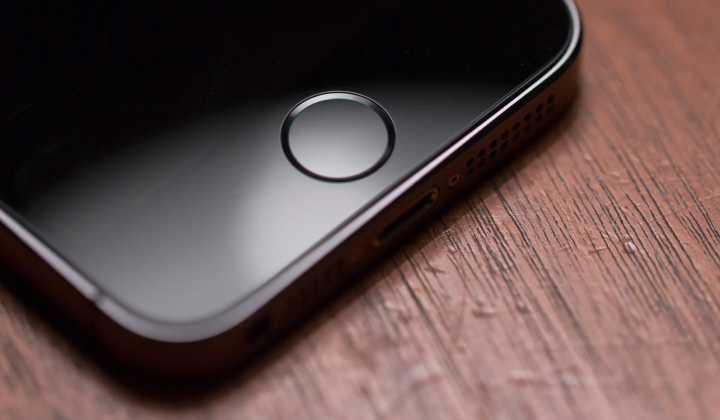
According to НВ — Техно: The iPhone’s design and capabilities have undergone significant changes since its debut in 2007, evolving steadily through to 2026 by removing traditional elements and introducing cutting-edge technologies. The original iPhone launched with the iconic Home button, a feature that defined its interface for years. However, Apple shifted direction in 2017 with the release of the iPhone X, eliminating the Home button entirely. Jony Ive, Apple’s chief designer, emphasized the company’s vision to create an iPhone that would be
“all screen.”
While the Home button remained in the iPhone 8 and the following two generations of the iPhone SE, it was ultimately phased out in February 2025 with the unveiling of the iPhone 16e.
The introduction of the iPhone X also brought the notch-a distinctive design element. In 2022, the iPhone 14 Pro and Pro Max introduced Dynamic Island, a new interactive feature that expanded to the standard iPhone 15 and 15 Plus models in 2023. Notably, the iPhone 17e still retains the notch, but insiders predict that the iPhone 18e will adopt Dynamic Island as well.
Port and Technology Upgrades
A pivotal shift in iPhone design was the removal of the 3.5mm headphone jack, present from the very first model until the iPhone 7 and 7 Plus, released in September 2016. These models included EarPods with a Lightning connector. The same year, Apple launched AirPods priced at $159, marking a move towards wireless audio. The longstanding Mute Switch, featured since the original iPhone, was replaced in 2023 by the customizable Action Button on the iPhone 15 Pro and Pro Max. This button was extended to the standard iPhone 16 and 16 Plus in 2024, and then to the iPhone 16e in 2025.
Apple’s evolution of charging ports also reflects its innovation trajectory. The Lightning connector, first introduced with the iPhone 5 in September 2012, was replaced by USB-C across the iPhone 15 line in 2023. The final iPhones with Lightning ports were discontinued in February 2025. Prior to Lightning, the 30-pin dock connector was standard from the original iPhone through the iPhone 4s.
Technological features have also progressed: the iPhone 6s and 6s Plus, released in September 2015, were the first to support 3D Touch, which was later supplanted by Haptic Touch starting with the iPhone 11 in 2019. The familiar 'swipe right to unlock' gesture from the original iPhone lasted until iOS 10, after which, in 2016, users were prompted to press the Home button to unlock their devices.
SIM card technology evolved as well. The first iPhone in 2007 used a mini-SIM slot, but by 2022, U.S. iPhone 14 models transitioned exclusively to eSIM. In 2025, the iPhone Air adopted eSIM globally, eliminating physical SIM slots. Touch ID, introduced with the iPhone 5s in September 2013, persisted through the iPhone SE until its discontinuation in February 2025. In September 2026, Apple unveiled the foldable iPhone Duo, featuring a Touch ID sensor integrated into the side button.
These design and functional changes highlight Apple’s bold approach to innovation. As Phil Schiller put it,
“It all comes down to one word: courage.”
The steady transformation of the iPhone is a testament to Apple’s commitment to pushing the boundaries of smartphone technology and setting new industry benchmarks.
The iPhone’s evolution is more than just a series of design updates-it reflects Apple’s responsiveness to shifting technological trends and consumer demands. By retiring classic features like the Home button and headphone jack, Apple has positioned itself at the forefront of innovation, influencing competitors and shaping the future trajectory of the mobile technology market.
As Apple continues to innovate its flagship device, the iPhone has not only transformed in design but also in functionality, becoming an essential tool for modern technology. This evolution aligns with the company's vision to integrate advanced AI capabilities into its devices. To explore how the new leadership at Apple views the iPhone as a prime platform for artificial intelligence, check out this article on Apple’s latest AI-driven strategies.

Read also