By 2029, Europe Braces for a Kremlin Test of NATO’s Resolve

European Leaders Fear Potential Kremlin Aggression
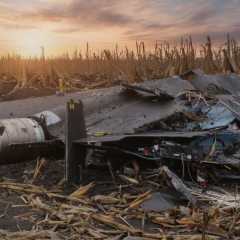
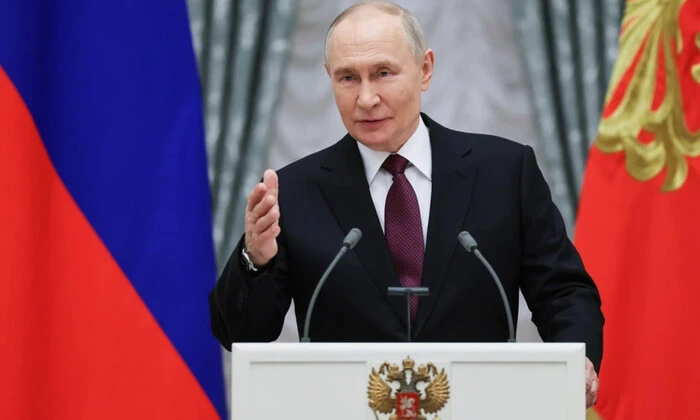
According to Главком: Defense officials and political leaders across Europe are growing increasingly alarmed that the Kremlin may attempt to probe NATO’s strength by 2029. Vladimir Putin could perceive a window of opportunity during this timeframe, prompting discussions about possible hybrid warfare scenarios. While most NATO officials consider a direct ground invasion of the Alliance unlikely, concerns remain over other forms of aggression, including:
- drone-based operations;
- provocations in the Baltic Sea or the Arctic;
- deployment of a militarized shadow fleet.
U.S. Troop Withdrawal and Its Fallout
Complicating matters, the United States is pulling 5,000 troops out of Germany. Former U.S. President Donald Trump has stated his intention to withdraw far more servicemen from Germany than initially planned. The Pentagon has confirmed that roughly 5,000 personnel will be redeployed over the next year. This move has drawn sharp criticism from some Republican lawmakers, including Senate Armed Services Committee Chairman Roger Wicker and House Armed Services Committee Chairman Mike Rogers, who have labeled the withdrawal a catastrophic mistake. Trump has also threatened to remove troops from Italy and Spain, adding further strain to Europe’s security landscape.
Polish Prime Minister Donald Tusk has identified the long-term erosion of the alliance as the primary threat to regional safety. Finnish MEP Mika Aaltola warns that without credible deterrence, horizontal escalation could become a real risk. Former Lithuanian Foreign Minister Gabrielius Landsbergis cautions against the dangers of Putin’s desperation. Meanwhile, Finland and Lithuania are urgently calling for stronger air defense, while Estonian President Alar Karis considers a two-front war for Russia unlikely.
Ukrainian President Volodymyr Zelenskyy has voiced concerns over possible Russian plans targeting the Baltic states. Ukrainian Foreign Minister Andrii Sybiha has highlighted Kremlin accusations that Ukrainian drones are using Baltic airspace. In response to these growing threats, European nations aim to achieve a credible deterrence posture by 2030.
Tensions across Europe remain high, as shifts in U.S. troop deployments could heighten regional security risks. The withdrawal of American forces raises fears of a weakened NATO defense posture, potentially emboldening the Kremlin to take more aggressive steps. In light of these developments, the Baltic states and other European countries emphasize the urgent need to bolster defense capabilities to safeguard against emerging challenges facing the Alliance.
As tensions escalate, the threat of Russian disinformation campaigns looms over the Baltic States, further complicating the security landscape in Europe. Understanding the multifaceted nature of these challenges is crucial for NATO's preparedness against potential Kremlin aggression.

Read also