European Leaders Debate a Continental Nuclear Shield Amid U.S. Policy Shifts

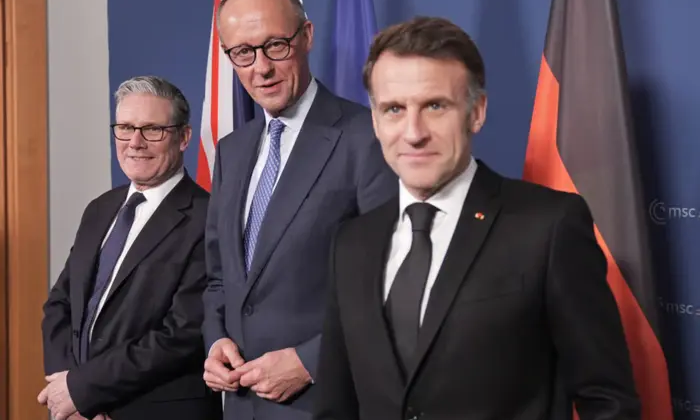
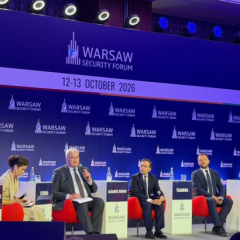
Munich Security Conference 2026: A Forum for Nuclear Debate
According to Главком: At the 2026 Munich Security Conference, European leaders engaged in serious discussions about the potential development of a shared nuclear arsenal. This strategic consideration was driven by deepening doubts about the reliability of U.S. security guarantees following the return of Donald Trump to the White House. The debate notably focused on the roles of France and the United Kingdom, the continent's only existing nuclear powers. This conversation reflects a historic shift in European strategic thinking, traditionally reliant on the U.S.-led NATO alliance.
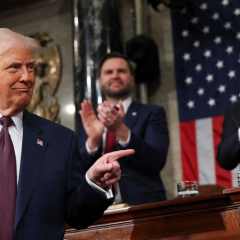
The renewed Trump administration presented immediate challenges to European security. The former president repeatedly questioned the credibility of NATO's Article 5 mutual defense clause, causing significant alarm among allies. His administration's rhetoric, which included mocking allies' contributions in Afghanistan and proposing the purchase of Greenland, further eroded transatlantic trust and prompted European capitals to explore independent deterrence options.
Key Attendees and Their Statements
The conference featured high-level officials from across the continent, including:
- Latvian Prime Minister Evika Siliņa
- Estonian Deputy Defense Minister Tuuli Duneton
- German Chancellor Friedrich Merz
- French President Emmanuel Macron
Each addressed the topic of a European nuclear deterrent in their remarks. Prime Minister Siliņa stated:
“Nuclear deterrence could open up new possibilities for us. Why not explore it?”
This comment highlighted a pragmatic openness to re-evaluating long-held security doctrines. Deputy Minister Duneton added:
“We are always open to discussion with our partners”
emphasizing that any future framework would require close coordination among European states.
The current geopolitical climate has ignited intense debate about the future of Europe's defense capabilities. France, which operates its nuclear forces outside of NATO's Nuclear Planning Group, is seen as a potential cornerstone for any new continental security architecture. Concurrently, the United Kingdom must also reassess its position as a nuclear power within this emerging European context.
The 2026 Munich Security Conference made it clear that European nations are increasingly conscious of the need to bolster their own defensive autonomy in response to unpredictable shifts in American foreign policy.
The mere discussion of a sovereign European nuclear arsenal signals a profound transformation in the continent's security posture. This could lead to new defense alliances and initiatives as nations seek to reduce their dependence on external guarantees. In the long term, such a realignment may significantly alter the balance of power in Europe and reshape relations with other nuclear states like Russia and China.

Read also