European Intelligence Warns of Potential Banking Crisis in Russia

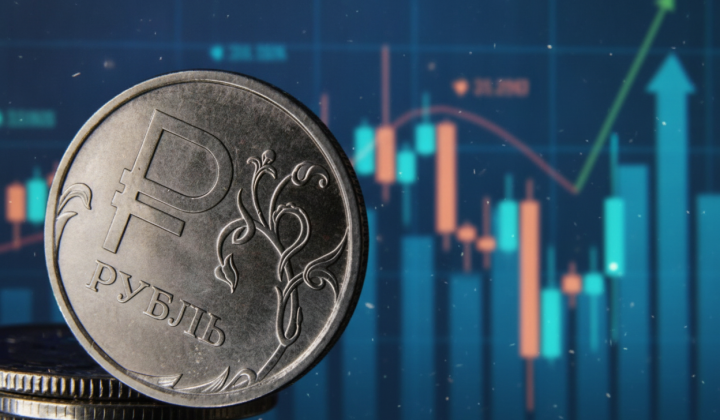
Risk of a Banking Crisis in Russia
According to Главком: A new intelligence report prepared for European officials highlights growing concerns over Russia’s banking sector, warning that stricter sanctions could trigger a full-blown banking crisis. The document outlines accumulating risks, a surge in non-performing loans, and a rising number of bankruptcies. It takes a bilateral format and contains critical insights into the financial stability of Russian banks.
According to the report, roughly 10% of corporate loans in Russia are now classified as doubtful. At major banks, the share of troubled consumer loans could climb to 15% by 2025. A large portion of the Russian population is also facing financial strain:
- Over 500,000 individuals declared bankruptcy last year;
- More than 13 million Russians hold at least three active loans simultaneously.
This situation creates the illusion of a dynamic economy, but in reality, it masks a volatile environment that could be triggered by an economic shock-such as a sweeping new sanctions package targeting banks.
Financial Sector Outlook
Amid these troubling indicators, Russian Central Bank Deputy Chairman Philipp Gabunia has denied that the financial sector faces critical risks, stating that current vulnerabilities are not severe. However, the data suggests that banks are accumulating bad loans, which could further destabilize the economy under renewed sanctions pressure.
Russians are holding over 19 trillion rubles in cash outside the banking system. Meanwhile, the European Union is finalizing a new sanctions package that could affect nearly 90 Russian banks. If enacted, this would be the 21st such package, intensifying pressure on the country’s financial infrastructure. Renowned Russian economist Vladislav Inozemtsev has also voiced concerns about the banking sector, underscoring the report’s relevance.
In summary, a crisis in Russia’s banking sector could become a reality if international sanctions continue to tighten. This issue remains critical not only for the Russian economy but also for the global community. As tensions rise and potential economic shocks loom from new sanctions, monitoring developments in Russia’s financial system is essential. The possible consequences could extend beyond domestic markets, affecting global financial stability.
As the situation in Russia's banking sector worsens, it is crucial to consider how other critical industries are faring under similar pressures. Recent developments, including Ukrainian drone attacks that have disrupted a significant portion of Russia's oil refining capacity, highlight the interconnectedness of these economic challenges. The implications of these events could further strain the financial stability of the country.

Read also