Slovak PM Fico and EU's von der Leyen Discuss Restarting Russian Oil Transit via Ukraine

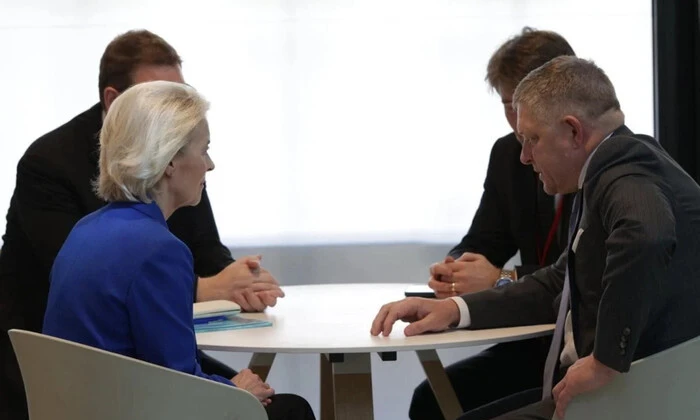
Meeting Between Robert Fico and Ursula von der Leyen
According to Главком: Slovak Prime Minister Robert Fico met with European Commission President Ursula von der Leyen to discuss resuming the transit of Russian oil through Ukraine via the 'Druzhba' pipeline. Both parties agreed on the necessity of restarting this route, potential inspections, and supporting pipeline repairs. The Druzhba pipeline is a key Soviet-era artery that has been a major conduit for Russian oil to Central Europe for decades.
Slovakia holds a special exemption from the European Union's sanctions policy, permitting it to purchase Russian oil. This allows the country to receive crude either via the 'Druzhba' pipeline or by sea. During the meeting, Prime Minister Fico presented satellite images of the pipeline to Ursula von der Leyen. The European Commission expressed readiness to support an assessment of the pipeline's condition, and both sides are interested in sending an inspection team to Ukraine.
Robert Fico stated: 'We agreed that transit through the Druzhba pipeline should be restored.'
He added: 'However, we are encountering an issue with our Croatian partners here, but I believe it can be resolved.' Should damage to the pipeline be found, the Prime Minister stressed the importance of swift repairs: 'If the Druzhba pipeline is damaged, it needs to be repaired and put into operation as soon as possible.'
Slovakia and the European Commission are prepared to provide expert resources for repairs if needed, with the EC ready to finance potential restoration work.
Shift in Slovakia's Energy Policy
In a related development, the Slovak government has previously decided to halt emergency electricity supplies to Ukraine. The director of Slovakia's electricity transmission system operator reported that the last emergency supply was delivered in January. These steps indicate a shift in Slovakia's energy policy amid current geopolitical challenges. This move comes as European nations continue to grapple with the broader energy market impacts of the ongoing war.
The potential resumption of Russian oil transit via the 'Druzhba' pipeline could significantly impact the regional energy landscape and Slovakia's relations with other EU member states. Slovakia's clear stance on supporting pipeline repairs and inspections demonstrates its intent to maximize its options within the context of energy security and cooperation with the EU. Concurrently, the decision to stop emergency power supplies to Ukraine may signal a broader reassessment of Slovakia's energy strategy in the face of new international pressures.

Read also