A Linguist Corrects the Pronunciation of the Surname 'Koval' and Criticizes a TV Series for Getting It Wrong

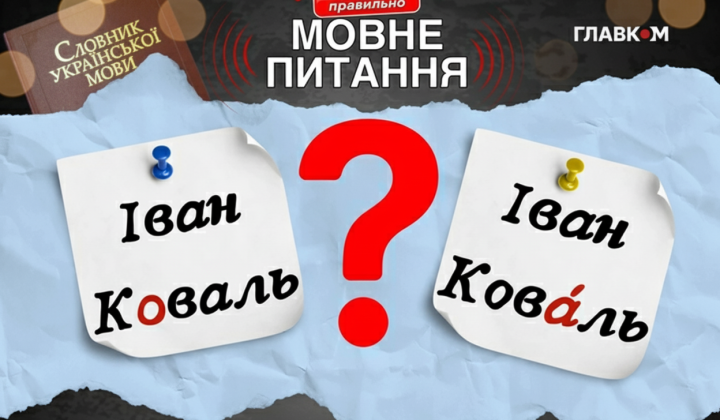
The Correct Stress in the Surname Koval
According to Главком: Linguist Olha Vasylieva has clarified the proper pronunciation of the surname Koval, a topic of debate due to its usage in the TV series 'The NABU Case'. In the show, the character's surname is stressed on the first syllable, but according to Vasylieva, the stress should remain on the second syllable, as in the common noun 'koval' (meaning 'blacksmith'). This shift in stress is a linguistic error. The discussion highlights how media can influence and sometimes distort everyday language.
Olha Vasylieva, who writes the 'Language Question' column, explained that surnames derived from common nouns should retain their original stress patterns. She cited several surnames as examples of where the stress is consciously changed from the original noun:
- Baran
- Kozel
- Lopukh
- Maslo
This underscores that correct stress is a crucial aspect of pronouncing surnames properly.
In her work, Vasylieva has previously addressed the correct forms of feminine-gendered nouns and explained why 'Greenland' is spelled with an 'e' in Ukrainian. These clarifications are part of her broader efforts to promote linguistic literacy and etiquette among the general public.
'For instance, the German word Bauer means 'peasant,' and a German speaker would not change its stress. Obscuring a transparent etymology looks comical.' – Olha Vasylieva
The debate over the stress in the surname Koval and its correct usage emphasizes the importance of linguistic culture and tradition in modern society. Paying attention to proper pronunciation helps preserve historical and cultural identity and contributes to a higher level of language proficiency. The need for explanations like those provided by Olha Vasylieva demonstrates why media productions and everyday communication should adhere to linguistic norms.

Read also