Miscalculations in War: How Putin and Trump Got It Wrong

Examining Military Strategies
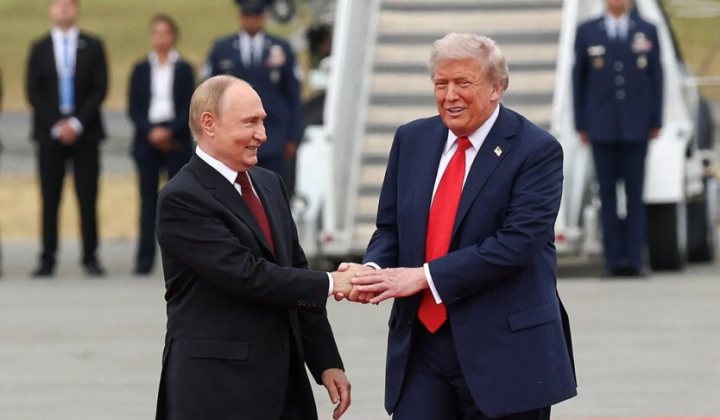
According to ХВИЛЯ: In a recent analysis, Financial Times columnist Edward Luce draws parallels between Russia's war in Ukraine and the U.S. campaign against Iran, arguing that both Vladimir Putin and Donald Trump have fundamentally misjudged their military approaches. He highlights that Ukraine and Iran are pioneering new methods of warfare, while China and other middle powers-with the notable exception of Israel-are emerging as beneficiaries of these conflicts. This comparison offers a fresh perspective on how traditional military powers are being challenged by smaller, more adaptable adversaries.
Russia launched its full-scale invasion of Ukraine in 2022, and since then, Moscow has been losing approximately 35,000 troops per month. Meanwhile, Ukraine's armed forces have been striking targets deep inside Russian territory, hitting objectives up to a thousand kilometers from the border. Notably, Putin reportedly asked Trump to persuade Kyiv to refrain from using drones near Red Square during the May 9 parade. It is also worth noting that Putin has more than doubled the length of NATO's border with Russia.
New Approaches to Warfare
Luce emphasizes that
“In their own ways, Kyiv and Tehran are showing the world how to bring down a giant.”
He also points to what he calls
“the NATO madness syndrome”
as a critical factor in understanding modern military conflicts. The analysis also references Operation Epic Fury, which Trump launched against Iran three months ago, as part of this broader picture.
In Luce's view, both Ukraine and Iran serve as case studies for new warfare tactics that could reshape the global military landscape, while major powers like China are capitalizing on these conflicts. This analysis underscores the need for military strategies to adapt to the evolving realities of modern conflict. As the experiences of Ukraine and Iran demonstrate, innovative approaches can significantly alter the balance of power in international relations. The growing influence of middle powers and their strategic maneuvers may force a rethinking of traditional military alliances and security frameworks.
As the dynamics of warfare continue to evolve, insights from Ukraine's territorial gains in 2026 further illustrate the shifting landscape. Understanding these developments is crucial for grasping how smaller nations are redefining military strategies and challenging traditional powers.

Read also