France's Depleting MICA Missile Stockpile: Implications for Ukraine's Potential Rafale Deal

France's Shrinking MICA Missile Stockpiles
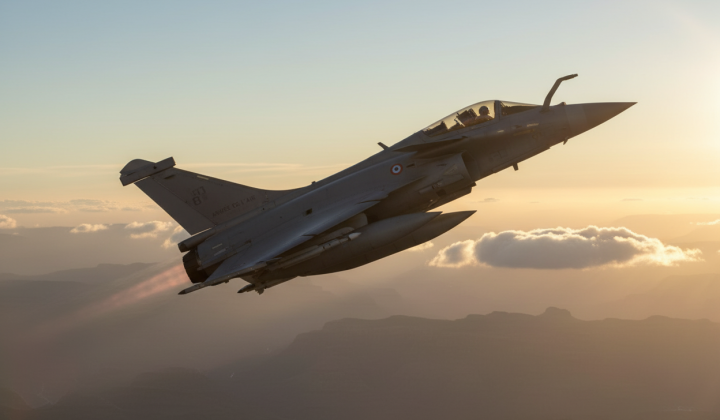
According to Главком: France is actively reducing its stockpiles of MICA air-to-air missiles due to their extensive use in countering drone threats, specifically Iranian-made 'Shahed' drones. These missiles are deployed from Rafale fighter jets, which France has committed to supporting the United Arab Emirates in repelling Iranian attacks. A contingent of 12 Rafale jets is involved in this mission, underscoring France's strategic military role in the region.
MICA Missile Use and the Global Context
Although the MICA missile was originally designed for air-to-air combat at ranges up to 80 kilometers, its current deployment against drones represents a significant tactical shift. This development is particularly relevant as Ukraine considers a potential purchase of Rafale jets, a deal estimated to be worth 22.5 billion euros. However, the Rafale platform lacks integrated, cost-effective solutions for drone warfare, and France mandates the use of only its own missiles on these aircraft-a point of contention that has previously caused disagreements with India over Rafale operations.
Globally, the war in the Middle East has nearly exhausted worldwide stocks of air defense missiles. Demand for air defense systems and their ammunition is now unprecedented and spans all regions, as noted by Armin Papperger.
In contrast, the United States has adapted APKWS rockets for anti-drone use on fighter jets and A-10 attack aircraft. Ukraine is employing similar solutions on its F-16s to intercept 'Shahed' drones, highlighting the urgent need for modernized air defense capabilities in contemporary warfare.
The depletion of MICA missile stocks and their active use against drones signals a shift in France's military priorities in response to emerging threats.
This reflects a broader global trend where nations are scrambling to adapt their arsenals to modern challenges like drone warfare. Ensuring adequate support for allies remains a critical issue, especially amid rising tensions in the Middle East and other volatile regions. The situation illustrates the complex trade-offs nations face between supporting active operations and fulfilling major new arms contracts.
The situation is further complicated by a critical missile shortage affecting Ukraine's air defense capabilities. As detailed in a recent report, the lack of missiles has severely hindered the effectiveness of Ukraine's F-16s, raising concerns about their ability to intercept incoming threats. This highlights the urgent need for enhanced missile stockpiles and modernized defense strategies amid the evolving landscape of aerial warfare.

Read also