Putin Faces a Tough Choice After a Month of Strikes on Russia

Kremlin Infighting and Economic Fallout
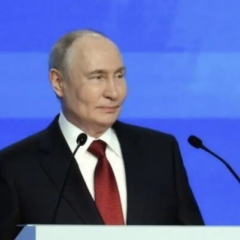
According to Главком: A sustained month-long campaign targeting Russia's logistics networks and oil refineries has triggered heated internal debates within the Kremlin. Some of President Vladimir Putin's inner circle are pushing for peace talks, while others advocate for escalation-including the potential use of a tactical nuclear weapon. This has brought the question of ending the war, which was on the table earlier this year, back into the spotlight.
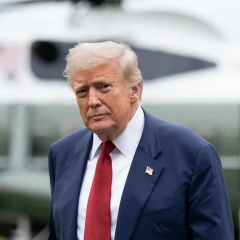
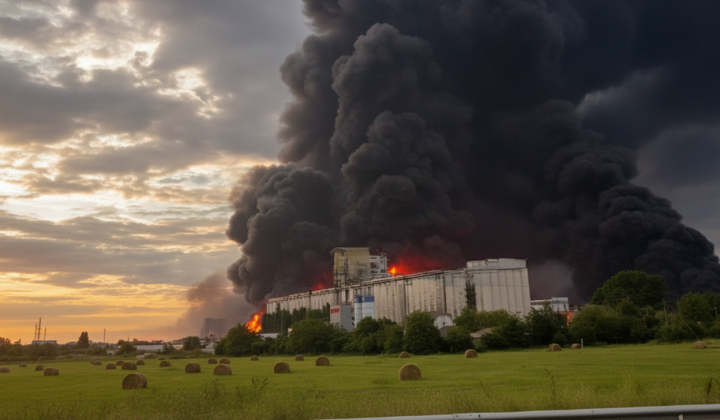
Over the past four weeks, Russia has suffered devastating blows to its supply lines and fuel processing facilities. In the aftermath of these attacks-and following the loss of Kherson-Moscow has remained notably silent. At the same time, Russia has lost nearly 40% of its sales in the Indian market, dealing a severe blow to its economy. A drop in oil prices to levels seen at the start of the year, combined with ongoing sanctions imposed by former U.S. President Donald Trump, has deepened the country's economic crisis.
Iran's Influence and the Risk of Escalation
Events in Iran have also shaped the Kremlin's decision to continue fighting. While the Strait of Hormuz faced disruptions, it has since reopened for shipping-but that has not stopped Russia's economic decline. In 2022, Moscow simulated the consequences of a possible tactical nuclear strike, signaling its readiness to ramp up the conflict.
If Russia were to strike a European industrial facility, Europe would likely mobilize, prompting a harsh Western response. Should Moscow actually deploy nuclear weapons, it would break the global moratorium and trigger a new iron curtain, dramatically reshaping international relations. Putin now faces a dilemma of losing face, making it harder for him to navigate this complex geopolitical crisis.
This situation underscores the mounting tension inside Russia, where internal debates could determine the war's next phase. The choice between negotiations and escalation will not only shape the conflict's outcome but also impact global security, as the threat of nuclear weapons use raises worldwide alarm. Every move from the Kremlin demands close attention, as any decision could have far-reaching consequences for regional and international stability.
In light of these developments, the Kremlin's strategy appears increasingly precarious. As internal pressures mount, it is crucial to examine how recent setbacks in Ukraine are influencing Putin's decisions. The potential for a major mobilization in October could further escalate the conflict and reshape the dynamics on the ground. For a detailed analysis of this situation, see how the ongoing challenges in Ukraine are prompting significant military adjustments by the Kremlin in our latest coverage surrounding Putin's mobilization plans.

Read also