Strahov Stadium in Prague: Legacy, Condition, and Future Uses of the Iconic Sports Venue

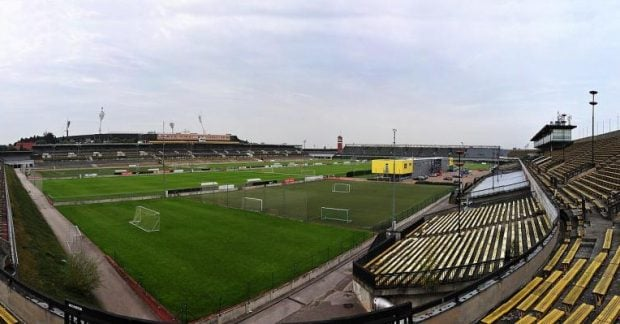
Strahov Stadium in Prague
According to УНІАН — Туризм: Recent reports highlight the current state and future prospects of Strahov Stadium in Prague, alongside news about the world's first Minecraft-themed hotel scheduled to open in 2027 at Chessington World of Adventures in the UK.
Located just a few kilometers from Prague’s historic center, the Strahov Stadium-also known as the Great Strahov Stadium-was constructed in 1926. Originally designed for large-scale synchronized gymnastics performances, it once accommodated up to 250,000 spectators during major events, though its seating capacity was around 56,000. The number of seats is further reduced when hosting football matches.
In recent years, the stadium has fallen into disrepair, with overgrown stands and structural decline. Since 2019, no official sports competitions have taken place here. Today, Strahov serves primarily as a training ground for Prague’s football club Sparta. Its playing field is spacious enough to hold eight full-sized football pitches as well as several futsal courts. The stadium complex remains under the ownership of Prague’s city administration.
Looking Ahead
Meanwhile, in 2027, Chessington World of Adventures in Britain plans to unveil the first-ever hotel dedicated to the globally popular game Minecraft. This innovative project is the result of collaboration between Merlin Entertainments and Mojang Studios. The new hotel is expected to become a major attraction, drawing both Minecraft fans and general visitors to the theme park.
These developments highlight the importance of both preserving cultural landmarks and embracing new entertainment trends. Restoring Strahov Stadium could play a key role in maintaining Prague’s sporting heritage and enhancing its athletic facilities. At the same time, the upcoming Minecraft hotel reflects the growing influence of interactive gaming on tourism and leisure industries, showcasing a broader shift towards integrating cutting-edge technology within traditional entertainment venues.
As Prague contemplates the future of the Strahov Stadium, similar innovative projects are emerging worldwide, such as the upcoming Minecraft-themed hotel in the UK. This juxtaposition of preserving historical venues while embracing modern attractions underscores the evolving landscape of entertainment and sports facilities, making it crucial for cities to adapt and innovate.

Read also